
To achieve a budget-friendly home renovation, work closely with contractors to identify cost-effective materials and methods. Focus on using sustainable and reclaimed resources to balance quality with savings. Collaborate with your contractor on innovative solutions, ensuring efficient use of your space. Plan your renovations for off-peak seasons to capitalize on reduced rates. Building a strong relationship with your contractor improves project outcomes and keeps expenses down. There’s so much more to discover along the way.
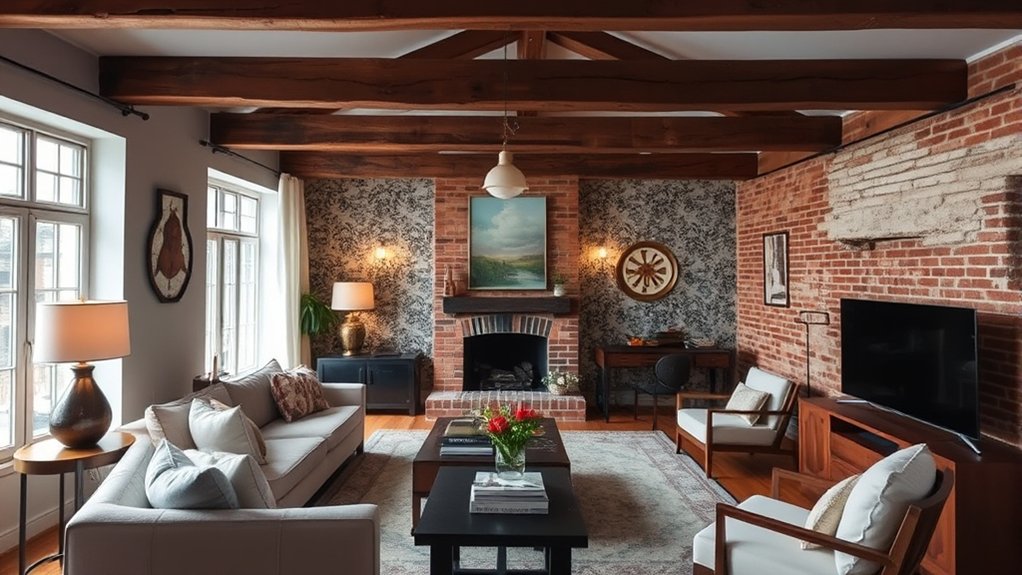
When you’re deciding between remodeling and new construction, it’s important to weigh the pros and cons of each option carefully.
Remodeling might seem like the cheaper route initially, especially if the changes are minor. However, if your home renovation requires significant updates, new construction could be more cost-effective in the long run.
New builds meet modern energy efficiency standards, offering long-term benefits like reduced utility bills and less maintenance.
Although remodeling costs can vary greatly by location and scale, aligning these expenses with potential home value increases is essential.
New construction provides a customized design without the compromises of older structures.
Consider these aspects to determine if the initial savings from remodeling outweigh the long-term advantages of new construction. Additionally, incorporating features like energy-efficient elements can enhance the overall value and sustainability of your project.
After carefully considering whether to remodel or start anew, it’s time to focus on creating a thorough budget plan for your renovation project.
Start by establishing a detailed overall budget, allocating funds to each phase of the renovation, and include a 10-20% contingency for unexpected expenses.
Research average costs for materials and labor in your area to guarantee your home remodeling budget aligns with current market rates, helping you save money.
Prioritize must-haves over nice-to-haves, concentrating on high-impact areas.
Use a Remodeling Calculator to estimate costs accurately, tailoring the budget to your financial goals.
Track expenses meticulously throughout the renovation project, allowing you to stay within budget and make necessary adjustments as needed. Additionally, consider consulting with ADU experts to gain insights on potential costs associated with accessory dwelling unit conversions.
You can transform your current space by maximizing storage efficiency and utilizing multifunctional furniture.
Consider adding pullout drawers and organizers in your cabinetry, which make it easier to access items and use space effectively without expanding.
Opt for furniture that does double duty, like ottomans with hidden storage, to keep your home tidy and functional, making every square foot count.
Although maximizing storage efficiency often seems like a challenging task, it’s achievable by using smart solutions that optimize existing space.
Start with your kitchen cabinets—replace bulky shelves with pull-out drawers and racks to make everything more accessible. Transform existing cabinets with lazy Susans and pull-out organizers, especially in hard-to-reach corners. These DIY projects can breathe new life into used fixtures without breaking the bank.
Consider built-in storage solutions like benches with hidden compartments or under-stair shelving to use space you might overlook. Install wall-mounted shelves and hooks to utilize vertical space for pots, pans, and tools, freeing up counters.
Reorganize closets with modular systems, adjusting shelves and hanging space to match your storage needs perfectly.
Incorporating multifunctional furniture into your home is a smart way to optimize space without sacrificing style or comfort.
Invest in pieces like sofa beds or ottomans with storage to maximize space efficiency and serve dual purposes, especially in smaller areas. Wall-mounted shelves and foldable desks create flexible workspaces that can be tucked away, optimizing floor space.
Look for furniture with built-in storage, such as beds with drawers or coffee tables that open up, to enhance organization and reduce clutter. Modular furniture offers flexibility, allowing you to rearrange or expand pieces as your needs change.
Nesting tables or stackable chairs are perfect for functionality and space-saving, easily stored when not in use.
When you’re planning a home renovation, consider using cost-effective and sustainable materials to enhance both your budget and the environment.
Opt for alternatives like bamboo flooring or recycled glass tiles, which offer durability and style without breaking the bank.
For those looking to revamp their homes without breaking the bank, exploring affordable material alternatives can be a game-changer. You can save money on your renovation while still improving your home’s aesthetic.
Consider these options:
These choices provide cost-effective solutions for your renovation needs.
Exploring eco-friendly sourcing options not only benefits the environment but also keeps your renovation budget in check.
Start by choosing sustainable materials like bamboo flooring or recycled glass tiles. They’re durable, easy to maintain, and can be cost-effective.
Consider reclaimed wood for a unique look, often available at local salvage yards or online for less than new options.
Energy-efficient appliances might’ve a higher upfront cost, but they can save you money with rebates and reduced utility bills.
Check out local Habitat for Humanity ReStores for discounted sustainable materials, supporting community efforts while finding great deals.
You can also explore local building supply auctions for affordable finds, ensuring your renovation is both budget-friendly and environmentally responsible.
Opting for cost-effective and sustainable materials in your home renovation can lead to considerable long-term savings, both financially and environmentally.
By making smart choices, you can enhance your home improvement project while staying budget-friendly. Consider these tips:
1. Choose Cost-Effective Materials****: Opt for laminate countertops instead of granite for stylish appeal without the hefty price tag.
Durable vinyl flooring over hardwood can reduce repair and replacement costs.
2. Invest in Sustainable Materials: Use reclaimed wood or low-VOC paints to minimize environmental impact and cut down on maintenance expenses.
3. Go Energy-Efficient****: Install LED lighting and low-flow faucets to considerably reduce utility bills over time, contributing to overall cost savings.

When you’re planning a home renovation, shopping strategically for discounts and deals can greatly cut down your expenses.
For a kitchen remodel, monitoring seasonal sales at home improvement stores is essential. You might find the best deals around holidays or during end-of-year clearance events, which can help you save up to 50% on materials.
Use online coupon platforms and newsletters from major retailers to access exclusive discounts. Local recycling centers and Habitat for Humanity ReStores are treasure troves for salvaged materials at a fraction of their retail cost.
Building supply auctions and estate sales offer high-quality items at 25-50% less. For larger projects, consider bulk purchasing to enjoy savings of 10-20% on total orders.
If you’re looking to save money and time on your home renovation, scheduling your project during off-peak seasons could be a smart move.
During late fall and winter, contractors often have more availability and are willing to negotiate labor costs since they’re less busy. This means you can save money while ensuring a smoother renovation process.
Here are some benefits:
Taking advantage of contractor expertise can greatly enhance your home renovation project. Establishing a collaborative relationship with your contractor leads to cost-effective alternatives and efficient construction methods, ensuring savings and a budget-friendly approach.
Contractors often have access to leftover materials, offering consistent quality at discounted rates, which lowers overall costs. Leverage their knowledge of local suppliers to source quality materials at lower prices, resulting in significant savings on your renovation.
Ask for their recommendations on budget-friendly materials that achieve your desired aesthetic without compromising quality. Utilize their insights into labor costs and ideal scheduling, allowing you to negotiate better rates.
Renovating your home doesn’t have to break the bank. Did you know that homeowners can save up to 30% by choosing sustainable materials and scheduling off-peak renovations? By evaluating remodeling options, developing a thorough budget, and leveraging contractor expertise, you can optimize your space effectively. Don’t forget to shop strategically for discounts and deals; these small steps add up. With careful planning and smart choices, your dream home is within reach without compromising on quality or style.
Skip to content