
Did you know 64% of renters pick their home based on how it looks? In places like Washington, D.C., where rent is often over $2,200, renters want value. This guide will show you how to make your rental catch a renter’s eye. With smart tips and easy upgrades, you can make your rental more inviting. These ideas will help your property get noticed and make renters want it more.
Making a rental appealing is more than just looking good. It is a key strategy for happy tenants and a landlord’s success. You can improve a rental by removing old blinds to let in more light. Try adding creative storage solutions, like marble shelves, to make it feel like home. Without spending much, updating lighting and fixtures can change a space completely.
Use these strategies, and see your rental become very popular. Tenants will love it!
First impressions are very important in renting out properties. The first thing a possible renter sees can really grab their interest. Making the outside and entrance better can make your property more appealing.

Curb appeal is key but often forgotten. It can make a great first impression even before entering. Making sure the outside looks neat and welcoming can really make your property more desirable. It catches the eye and helps your property stand out.
Keeping a place free of clutter is important. It shows you care and respect the tenants’ comfort. It also hints at good storage, attracting tenants. Clean regularly and declutter wisely to make the space inviting and organized.
Adding to curb appeal and cleanliness, a good entryway is key. Adding a clean mat, plants, and good lighting can make a big difference. These touches improve your property’s appeal and help you stand out in the market.
An inviting interior boosts your rental property’s appeal. It shows you care and plan well for the property. This draws in potential renters.
Lighting makes a space welcoming and warm. Use ambient, task, and accent lighting for the best effect. Energy-efficient LED bulbs also attract eco-friendly renters.
Neutral colors are great for rental properties. They let renters imagine their items in the space. Colors like beige, soft grays, and whites make rooms feel bigger and airier.

Quality fixtures improve a property’s look and show you value its upkeep. High-end faucets, doorknobs, and lights add luxury. They make your rental stand out to tenants. Investing in these wins over renters for the long haul.
Today, to draw in tenants, modern amenities in rental units are a must. Adding things like smart home tech and green appliances makes your property cooler and more useful.
Smart home tech is getting popular in rentals. Features like smart thermostats, cameras, and keyless entry offer convenience, safety, and save energy. Adding these can catch the eye of tenants who love new tech and comfy living.
Green appliances save money and help the planet. Devices like high-efficiency fridges, washers, and dryers cut down on bills and support eco-friendly living. Advertising these can attract folks who care about the environment to your rental.
Simple upgrades can greatly change your rental’s look. We’ll talk about two key features that improve both beauty and use. These changes are easy for renters to love.
Old window treatments can make a space look bad. By putting in new blinds or curtains, the room looks better. Better light control can make your rental more appealing. This easy change draws in more people looking to rent.
Putting in new light fixtures can change a room a lot. They make a space elegant and brighten it up. This simple step helps your rental shine among others.

To make your property stand out, adopt a smart plan. Address your target demographic’s specific needs to gain an edge. Highlighting flexible leases and pet-friendly rules works well.
Attractive renters today want flexible lease terms. Options like month-to-month leases can appeal to many. This suits professionals on short gigs, students, or those in big life changes.
Showing you’re willing to adjust makes you a good landlord. It meets renters’ diverse needs directly.

Many renters have pets and want pet-friendly places. Create pet zones or have nearby parks. This makes your property more attractive and sets it apart.
A reasonable pet deposit shows you value pets. It avoids cutting off potential renters. You’ll appeal to a wider group this way.
These changes attract more folks to your property. They show you care about renters’ needs. This way, you’ll keep happy, long-term tenants.
Getting your rental property noticed needs a good plan. Use modern marketing to boost your property’s look. This means great listings and smart digital moves can make your property stand out more.
To market your rental well, your listings must do more than just describe. They should paint a picture of the lifestyle it offers. For instance, don’t just say “2-bedroom apartment available.” Say “a cozy 2-bedroom retreat, perfect for young professionals. It is an ideal serene escape in the city’s heart.”
Social media is key for advertising rental properties. Use platforms like Facebook, Instagram, and LinkedIn to get noticed. Make posts with great photos, virtual tours, and catchy descriptions. Keep your social media fresh to keep people interested and draw in renters.

To be seen in a busy market, show off what makes your rental special. This could be cool historic details, the latest tech, or a great location. Doing this makes your property unique and shows its true worth to renters.
In today’s world, most people start looking for a place to rent online. It’s very important to make your rental property easy to find and attractive on the web.
Making your property listing stand out is key. Begin with clear, short descriptions that showcase what’s great about your place. Use phrases like “spacious two-bedroom apartment” or “modern amenities” to grab attention. Also, include details such as nearby spots, transport options, or new upgrades to make your listing complete.
Great photos and videos are crucial. Hire a pro to take photos that show your property in its best light. Focus on bright rooms, tidy spaces, and special features that make your property unique. Videos let people see what it would be like to live in your property.

Always update your photos and videos to show any new improvements. A mix of a great listing and stunning visuals will surely draw more renters.
Effective staging makes rental properties stand out. It shows the property’s best features and feels welcoming.
Professional staging boosts your property’s charm. Experts know what renters want. They make a place more inviting, helping renters see themselves there. This usually results in faster, better rental deals.
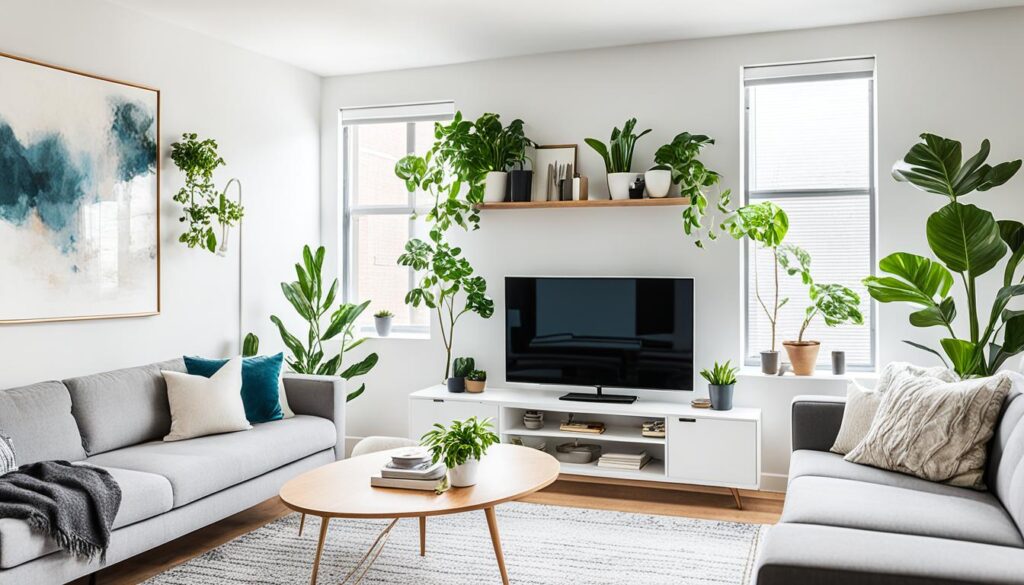
If you can’t afford professional help, try DIY staging. You can rearrange furniture, paint walls, and clean well. These steps are key in drawing renters to your rental.
Little details have a huge impact. Fresh flowers, comfy pillows, and beautiful art make a property feel homey. These touches make your rental more appealing and memorable to renters.
In today’s tough rental market, using clever rental property advertising strategies is key. By spreading your ads across many channels, you reach more people. Let’s look at some top methods:
To boost your property rental advertising strategies, create clear, compelling messages. Know your target audience to fine-tune your ads. Using fresh strategies and focused messages can really help your rental stand out in a crowded market.
To make your rental shine, know your renters’ needs. Show how close it is to important spots.
Offer features that different renters will love. Students want affordable places with study spots. They like being near buses too.
Young professionals look for cool, modern features. They want to live near work places. Families need big spaces and safe areas. They also want good schools nearby.
It’s key to show how close your property is to main spots. Talk about the nearby schools, malls, parks, buses, and business areas. Use great descriptions and pictures to stand out.
The success of a rental agreement often rests on the landlord and tenant relationship. Clear and open communication is key to building trust. Starting off with defined responsibilities and expectations helps avoid future problems. This ensures a smooth rental experience for both parties.
Being proactive in managing this relationship keeps tenants longer. It also leads to positive word-of-mouth.
Good communication is crucial right from the beginning. Make sure to be easy to reach. Check in with tenants regularly to catch any issues early. Quick replies to their concerns show that you care. This makes tenants feel valued and more likely to stay.
Clear rules set the stage for a good start. The lease should spell out what each side needs to do. Maintenance, rent dates, and how to use the property are key points. A handbook can help tenants know what is expected of them. Reminding them of important rules during move-in is wise.
Good relationship practices lead to mutual respect. This balance makes tenants more likely to follow rules and communicate openly. A happy living environment results from this approach.
To win in the rental market, focus on property appeal, marketing, and new amenities. Also, work well with your tenants. By doing everything in this guide, landlords can make their property more attractive. This will help ensure success in renting out your space.
First impressions matter a lot. So do modern amenities and small upgrades. Each step helps to keep renters interested. Pay attention to design and add smart technologies. Show what makes your property special. This will make your rental stand out.
Good communication with tenants is key. It helps create a happy place for them to live. By using these ideas, landlords can attract and keep renters. This leads to success and long-term renting out of your property.
Expanding your property’s potential by choosing to build an ADU in San Diego presents an opportunity to not only enhance living space but also to navigate the landscape of real estate investment with astuteness. Given the dynamic San Diego housing market, an accessory dwelling unit (ADU) is more than just an addition; it’s a strategic move aligned with the San Diego Housing Commission’s goal to increase housing stock. Teaming up with an experienced ADU contractor can transform a simple construction project into a value-adding asset.
However, the path to erecting an ADU San Diego residents can be proud of involves a strict adherence to San Diego accessory dwelling unit regulations. These local mandates guide everything from design to completion, ensuring that your new structure meets the city’s standards for safety, design, and community harmonization. With the right guidance, the process of adding an ADU to your property can be seamless, leading to lucrative opportunities and increased property value.
As the city of San Diego continues to experience significant housing demand, understanding the intricacies of Accessory Dwelling Unit (ADU) regulations is paramount for homeowners and developers. Navigating the San Diego municipal code and adhering to ADU zoning San Diego requirements will ensure that your investment not only enhances property value but also complies with local and state mandates.
The San Diego Municipal Code outlines specific parameters for the development of ADUs in San Diego, from lot size to building design. Whether you’re considering a detached ADU, an attached unit, or a junior accessory dwelling unit, familiarity with these codes is essential to move forward successfully with your project while optimizing the designated multi-dwelling unit zone provisions.
Zoning laws vary significantly across the city, ranging from strict regulations within the local coastal program areas to more relaxed rules in other neighborhoods. Clear comprehension of ADU zoning San Diego laws allows for the efficient planning and execution of accessory dwelling units in San Diego, enabling homeowners to maximize the use and potential income of their property.
San Diego’s legislative framework strives to align with California’s state ADU laws, offering homeowners opportunities for development while maintaining local control. Understanding the state’s progressive stance on ADUs, including recent statute amendments, helps to navigate any local variations or enhancements to these laws which may impact the development of accessory dwelling units San Diego.
Embracing these regulations not only allows for lawful construction but also invites a proactive approach towards urban development and affordable housing solutions in San Diego. Optimizing and adhering to these rules can often be complex; however, they are crucial for enhancing the fabric of our communities and allowing for sustainable urban growth.
| ADU Type | Max Size | Setbacks | Parking | Owner Occupancy |
|---|---|---|---|---|
| Detached ADU | 1,200 sq ft | 4 feet from rear/side yards | Not required if within 0.5 miles of public transit | Not required until 2025 |
| Attached ADU | 50% of primary dwelling or 1,200 sq ft, whichever is less | Same as main residence | Not required if within 0.5 miles of public transit | Not required until 2025 |
| Junior ADU (JADU) | 500 sq ft | Same as primary dwelling | Not required | Required (Either JADU or primary home) |
Embarking on the process of building an ADU in San Diego can be an exciting endeavor for any homeowner. To successfully build ADUs on their property, a nuanced understanding of the ADU process is imperative. This guide provides a structured roadmap to navigate the complexities of ADU construction in San Diego, from the initial concept to the finishing touches.
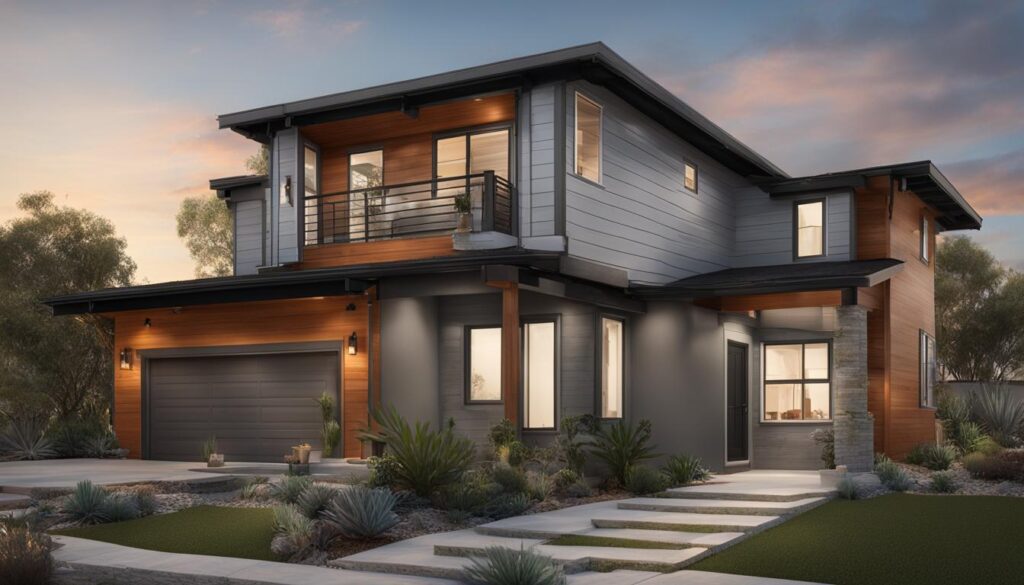
Partnering with established development services is a crucial step in ensuring that the project adheres to local standards and regulations. With meticulous planning and attention to detail, the creation of an ADU can enhance property utility and value.
Each phase in the ADU construction journey is integral to the culmination of a project that not only meets individual homeowner needs but also contributes positively to San Diego’s housing landscape.
| Phase | Action Items | Expected Outcome |
|---|---|---|
| 1. Conceptualization | Envision ADU, draft preliminary design ideas | A clear idea of the intended ADU project |
| 2. Feasibility Study | Analyze property, consult with city planning department | Understanding of potential and limitations |
| 3. Design and Planning | Finalize designs, create detailed blueprints | Blueprints ready for permit submission |
| 4. Permit Acquisition | Complete and submit applications for construction | Secured permits to legally commence building |
| 5. Construction | Build the ADU, adhere to building standards | Structurally sound ADU, up to code |
| 6. Inspection and Approval | Coordinate inspections for each construction phase | Approval from local authorities, ready for occupancy |
| 7. Final Touches | Execute interior and exterior finishing work | Completed, habitable ADU |
In summary, the process of building an ADU in San Diego requires strategic planning, a deep understanding of the regulatory environment, and a commitment to quality construction. For homeowners looking to expand their living space or generate rental income, ADUs present a valuable opportunity to enhance their property’s functionality and value.
As the demand for additional living spaces continues to surge in San Diego, homeowners are seeking innovative solutions to augment their properties with Accessory Dwelling Units (ADUs). ADU design San Diego encapsulates a range of structures from compact junior ADUs to spacious detached ADUs. The design process is pivotal in ensuring that your ADU not only maximizes square feet but also suits the aesthetic and functional demands of a primary dwelling.
When square footage is at a premium, ADU design ideas San Diego focus on efficiency and creativity. For small ADUs, vertical solutions such as loft beds and storage can free up valuable floor space. Multi-functional furniture, such as Murphy beds and foldable desks, can transform a room’s purpose with ease. Utilizing outdoor areas by adding patios or decks can also extend the living space without modifying the ADU’s footprint.
Deciding on the type of accessory dwelling unit is critical based on individual preferences, budget, and the layout of the property. Attached ADUs are ideal for homeowners looking to seamlessly expand their primary dwelling, while detached ADUs offer privacy akin to a separate home and can potentially enhance property value. For those with limited space or budget, junior ADUs present a viable blend of independence and convenience, often with shared entry or parking.
| Type of ADU | Privacy Level | Cost | Property Value Impact |
|---|---|---|---|
| Attached ADU | Moderate | Varies | Increased |
| Detached ADU | High | Higher | Significantly Increased |
| Junior ADU (JADU) | Low to Moderate | Lower | Moderately Increased |
A successful ADU design seamlessly blends aesthetics with functionality to deliver a living space that is not only visually appealing but also practical. In San Diego, where the style often reflects the vibrant coastal and urban backdrop, ADUs should complement the primary dwelling and surroundings. Material choices, color palettes, and landscape integration are essential considerations. Moreover, planning for ample natural light, privacy, and sustainable design elements can substantially elevate the livability and appeal of an ADU.
Navigating the ADU permit process San Diego homeowners undertake can seem daunting. Yet, understanding the steps involved in obtaining ADU permits San Diego authorizes is critical for aligning with the building code and accessory dwelling unit regulations. Whether you’re adding to your primary dwelling unit or constructing a new structure, compliance with the city’s requirements is essential for a legitimate and hassle-free project completion.
This detailed guide serves as a roadmap for homeowners and developers alike, presenting the stages of documentation and inspections necessary for a valid ADU construction venture. From initial application to final approval, each phase demands attention to detail and adherence to San Diego’s comprehensive housing regulations.
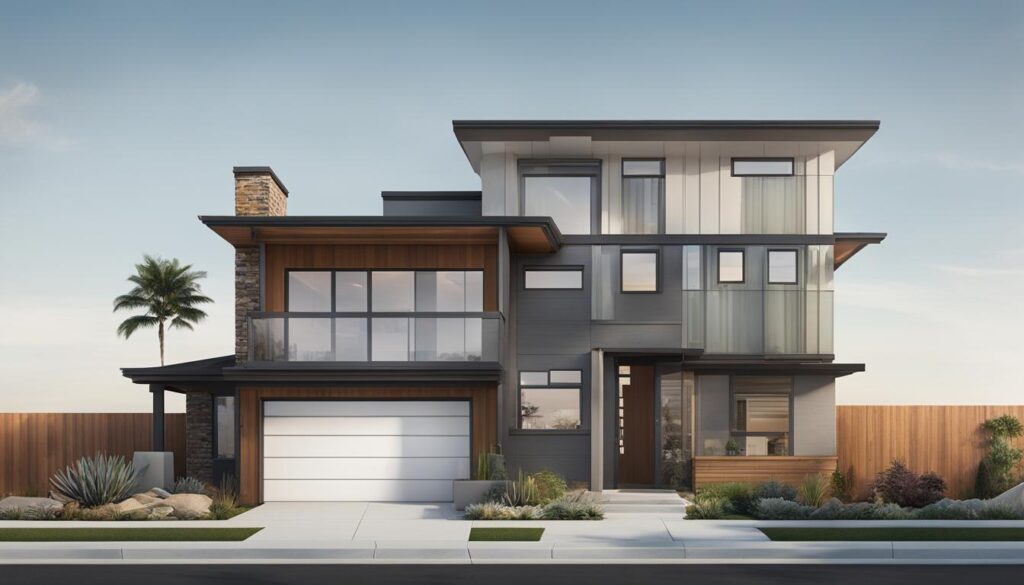
Outlined below is a structured overview of the permit process to ensure you remain informed and prepared for each progression:
To further clarify each stage, the following table presents crucial aspects of the process and their respective details:
| Process Stage | Task Description | Expected Outcome |
|---|---|---|
| Pre-Application | Gather information and consult San Diego’s ADU handbook. | Understanding of property constraints and potential ADU size. |
| Application Submission | Filing ADU application forms with relevant plans. | Application lodged awaiting city’s plan review. |
| Plan Review | City examines submitted plans for regulations adherence. | Feedback provided or approval granted. |
| Corrections & Resubmission | Revising plans as per city feedback, if applicable. | Revised plans ready for re-review. |
| Permit Issuance | Acquiring the building permit after plans approval. | Official permission to begin construction. |
| Inspections | Conducting interim construction inspections. | Verified compliance at each construction phase. |
| Final Approval | Secure final inspection approval and occupancy permit. | Legally authorized ADU ready for occupancy. |
Understanding the ADU permit process San Diego enforces ensures a transparent, efficient pathway toward the addition of a valued accessory dwelling unit to your property. Familiarize yourself with these procedural highlights and move forward with confidence in your ADU project.
Embarking on an Accessory Dwelling Unit (ADU) project is an exciting venture for San Diego homeowners, yet it’s crucial to navigate the financial waters with clear understanding and smart planning. Adequate funding ensures your vision for a functional and attractive ADU doesn’t become stalled by unexpected costs or regulatory fees.
The journey to building an ADU in San Diego begins with a thorough assessment of expenses, covering diverse elements from design to door handles. Impact fees, significant for their contribution to the communal infrastructure to accommodate the new unit, cannot be overlooked. Transparency in these upfront costs fosters a more seamless project flow, avoiding budgetary surprises along the way.
Securing the funds for an ADU can be as challenging as the design and build phases. Fortunately, tailored finance programs help homeowners through various ADU financing options. Construction loans are a traditional route, offering the muscle to power your building goals. Innovatively, San Diego rolls out beneficial loans and grants under the affordable ADU bonus program, which has been instrumental in enhancing the local housing stock without burdening homeowners excessively.
For a more comprehensive understanding of financing avenues, consider these standout programs designed to boost ADU construction:
Investing the time to research and apply for these programs can substantially ease the financial burden of your ADU project, leading to a rewarding addition to your real estate portfolio.
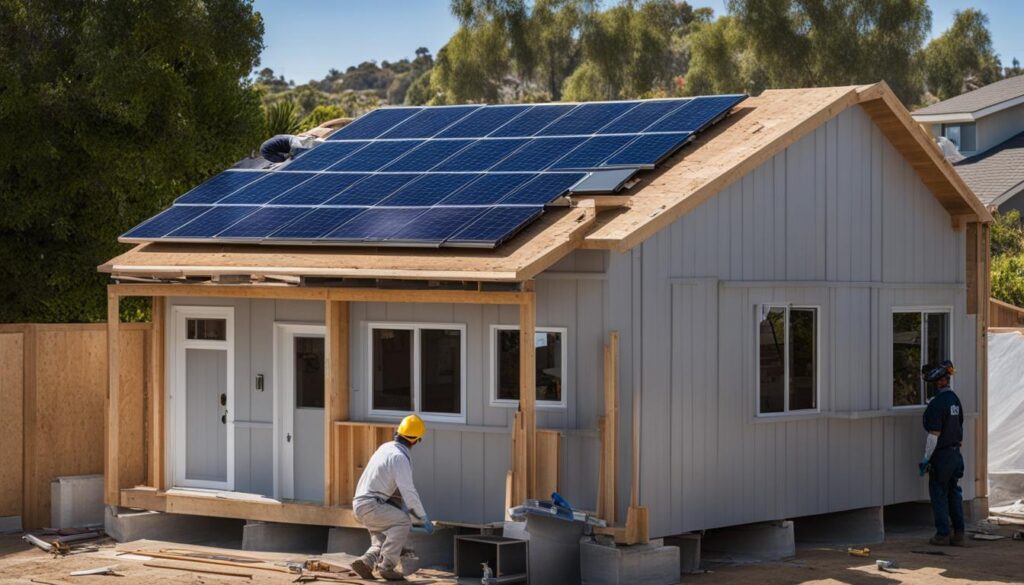
Building an Accessory Dwelling Unit (ADU) in San Diego represents a significant opportunity for homeowners to expand their living space and diversify their real estate investments. With an increasing demand for backyard homes, it’s essential to adhere to ADU building best practices to ensure the success of your project. From choosing qualified ADU builders in San Diego to integrating sustainability efforts, these best practices are your blueprint for an efficient and compliant accessory dwelling unit build.
Engaging in ADU construction best practices goes beyond adhering to guidelines; it’s about crafting a space that complements San Diego’s vibrant neighborhoods while meeting the discerning standards of residents and investors alike. For those looking to create a backyard home, having a clear roadmap and working with knowledgeable professionals can lead to the successful realization of your modern and sustainable ADU.
Embarking on the journey of ADU construction in San Diego involves not just a vision, but also a commitment to partnering with the right professionals. Your choice of an ADU contractor San Diego will have lasting implications on the quality, efficiency, and compliance of your new accessory dwelling unit.
Finding a select ADU builder starts with assessing their depth of experience. Look for a portfolio that showcases their adept handling of various ADU projects and their understanding of local ADU nuances. Experience in ADU construction is paramount, and selecting a team of experienced professionals should rest atop your criteria.
Consider the scope of their past projects – from small, internally connected junior ADUs to lavish, standalone backyard homes. Delve into the specifics: What design challenges have they overcome? How have they maximized space and adhered to San Diego’s unique building code? The right contractor doesn’t just build; they consult, advise, and enhance your vision.
Compliance with local regulations is non-negotiable, and verifying a prospective builder’s contractor licensing is a must. The licensing process ensures they are accountable and capable of meeting the strict standards set forth for ADU construction San Diego. But licensing alone isn’t enough – they must also carry proper construction insurances. This not only safeguards their team but also protects you as a homeowner from potential liabilities.
| Checklist | Details | Why It Matters |
|---|---|---|
| Licensing | Current and compliant with California’s Contractor State License Board | Ensures legal and professional standards are met |
| Insurance | Includes liability and workers’ compensation insurance coverages | Protects both the homeowner and workers on-site |
| Experience | Years in business focusing on ADU builds, with project references | Provides assurance of their expertise and reliability |
| Local Knowledge | Understanding of San Diego’s specific ADU regulations and neighborhood characteristics | Fosters efficient and compliant project completion |
By carefully weighing these factors, your path to a successful and stress-free ADU construction journey begins with the pivotal step of selecting the right contractor. Secure a partnership that brings your ADU vision to life with confidence and peace of mind.
Understanding the intricate setback requirements and property restrictions is crucial for any homeowner or developer looking to add an accessory dwelling unit (ADU) to a property in San Diego. Each neighborhood may be subject to varying San Diego zoning regulations, which are designed to preserve community character while accommodating growth.
When planning an ADU, one must first identify whether the area is designated as a single-family zoning or a multiple dwelling unit zone. These categorizations carry significant implications for lot size and allowable unit density. Setbacks – the minimum distance an ADU must be from property lines, main residences, and other structures – are critical factors that govern the placement and size of your ADU.
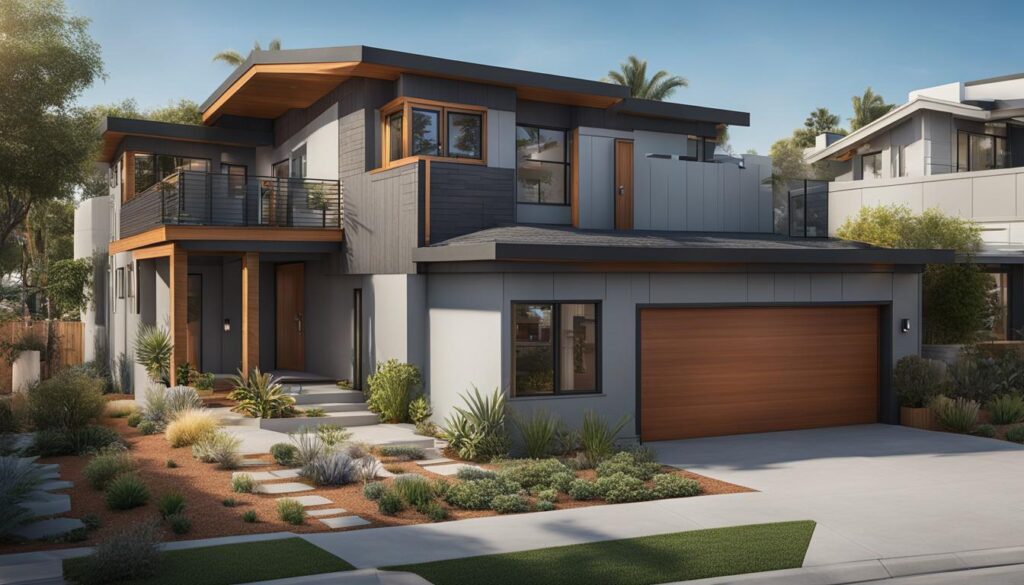
Below is a comprehensive overview of the common standards and restrictions to take into account:
| Zoning Type | Minimum Lot Size | Front Setback | Side Setback | Rear Setback |
|---|---|---|---|---|
| Single-Family Residential | 5,000 sq ft | 20 ft | 5 ft | 5 ft |
| Multiple Dwelling Unit | Varies | 15 ft | 10 ft | 10 ft |
Adherence to these requirements is non-negotiable; deviation may lead to costly project delays or the need to redesign your project to meet proper code. Consulting with the local planning department early in your project can provide clarity on these critical constraints.
In an effort to support sustainable growth, San Diego’s zoning regulations can be complex. Failure to comply with these critical components not only threatens the viability of your project but also can result in legal challenges. Therefore, informed planning, guided by familiarity with local ordinances, becomes indispensable for the success of any ADU initiative.
Every property in San Diego is unique, and every zoning law is written with specific community considerations in mind. Understanding and adhering to these regulations is paramount for the successful inclusion of an ADU on your property.
As the San Diego housing market continues to be a beacon for real estate investors and homeowners, maximizing rental income with Accessory Dwelling Units (ADUs) and Junior Accessory Dwelling Units (JADUs) is a strategic way to bolster income in the city. Navigating through ADU rental strategies is key, especially when balancing the city’s affordable housing initiatives with individual investment goals. Understanding the benefits and complexities of both short-term and long-term rentals, as well as the rent control regulations in place, are essential steps in optimizing your rental revenue.
Short-term rentals have become incredibly popular in San Diego, especially with platforms like Airbnb and VRBO offering a flexible way to tap into the tourism industry. They provide the potential for higher nightly rates but also involve increased management and turnover costs. Long-term rentals, on the other hand, afford less hands-on management and consistent cash flow, but they also limit turnover and the potential to capitalize on peak seasonal prices. Carefully distinguishing between these rental models is vital when refining your ADU rental strategy to maximize rental income.
In the context of affordable housing in San Diego, ADUs offer a unique opportunity to create additional income while contributing to the city’s housing solutions. Still, it’s crucial to stay informed about rent control regulations that could influence your investment. The city’s efforts to promote affordable housing options impose certain restrictions on how much landlords can increase rent each year. As an investor or homeowner, recognizing these policies will help you to forecast your investment’s long-term profitability and compliance with local housing laws.
| Rental Type | Income Potential | Management Intensity | Regulatory Considerations |
|---|---|---|---|
| Short-Term Rentals | Higher during peak tourist seasons | More hands-on due to guest turnover | Local ordinances and transient occupancy taxes |
| Long-Term Rentals | Consistent monthly revenue | Less frequent tenant interactions | Rent control and tenant protection laws |
If you’re considering turning your ADU or JADU into a rental, balance these strategic considerations with a sound understanding of both the San Diego housing market and the distinctive needs and preferences of renters looking for accessory dwelling units. By doing so, you can not only maximize the rental income of your ADU but also play a role in enhancing the fabric of urban residential living in San Diego.
We have extensively navigated the granularities of ADU San Diego guide, placing a spotlight on the manifold facets involved in building an ADU in San Diego. From unpacking the layered local regulations to best design practices, from the crux of financing to the pivotal step of selecting the right contractor, this guide has aimed to furnish homeowners with the profound insights necessary for ADU project success.
ADUs stand as a sterling exemplar of ingenuity in modern urban habitation, offering not just an additional source of income but also a means for creating independent living spaces that cater to a diverse array of needs. As the landscape of San Diego’s housing market evolves, the initiative to construct an ADU represents savvy foresight into the adaptive reuse of space and property value enhancement.
In essence, the journey to building an ADU is surmountable with due diligence, thorough planning, and the companionship of skilled professionals. By heeding the advice and adhering to the prescribed stipulations delineated in this comprehensive manual, homeowners in San Diego are well-equipped to transform their property ambitions into a substantive, livable reality.
[…] Strict building codes and regulations within San Diego county […]
[…] the significance of adhering to ADU regulations in San Diego for a smooth development […]
When comparing ADU options, what are the biggest things that can change the scope of the project?
In San Diego County, ADU approval and compliance typically hinge on submitting a plan that matches the applicable zoning and the requirements laid out in the Municipal Code and State ADU rules. If the plans aren’t aligned early, you can expect additional review cycles, which is what usually creates timeline risk. The best way to protect your spring window is to confirm the zoning/lot constraints up front (size, setbacks, parking rules where applicable, and any local conditions) and ensure your submittal package is complete and consistent before you file.
For an ADU in Escondido, is the first step usually checking the lot, the design, or the permit rules?
In San Diego County, both garage conversions and new detached ADUs can be viable, but feasibility comes down to zoning layout and code requirements in your specific location. The San Diego Municipal Code approach generally ties what’s allowed to factors like your parcel’s zoning, existing garage/accessory building status, setbacks, height, lot coverage, and how the project handles parking and utilities. A garage conversion may be attractive because it can reuse existing structure footprints, but it still has to meet ADU standards and compliance items. A detached ADU can sometimes work better when the garage conversion can’t satisfy dimensional or site constraints. The best next step is to confirm your zoning + site constraints early, then compare code-compliant options side-by-side before paying for final designs. You may also find this helpful: Top-Rated ADU Builders San Diego – Quality Home Extensions. For projects in Escondido, local permitting, property conditions, and service-area requirements can also affect the right next step.
I’m looking at an ADU for a property in Encinitas. What should I check first before spending money on plans?
A good first step is to confirm the property basics before getting too deep into design. Lot size, access, setbacks, utilities, parking considerations, and existing structures can all affect what type of ADU makes sense. After that, the design and permit path become much clearer. For projects in Encinitas, local permitting, property conditions, and service-area requirements can also affect the right next step.
As the demand for additional living spaces in San Diego homes grows, homeowners are increasingly turning to Accessory Dwelling Units (ADUs) as a versatile solution. The journey towards expanding your residential footprint begins with selecting the best ADU contractor in San Diego. Understanding the significance of this choice necessitates a thorough investigation of San Diego ADU contractor reviews, leading to the discovery of top-rated experts who can bring your vision to life.
With a multitude of contractors to choose from, it becomes essential to discern those who stand out for their exemplary service and expertise. These reviews serve not only as a guide through the myriad of options but also provide insights into the experiences of fellow San Diegans. Whether you’re looking for an ADU contractor near you or aiming to identify the top-rated ADU contractor San Diego has to offer, the forthcoming evaluations are tailored to assist in your quest for the perfect partnership.
A carefully curated ADU can offer more than just additional square footage; it can enhance property value, provide rental income, and enrich the functionality of your home. These reviews are an excellent foundation, paving the way for a successful collaboration with professionals who understand the nuances of the San Diego ADU landscape.
Accessory dwelling units (ADUs) are increasingly popular in San Diego as residents seek to maximize their property’s potential and address the housing shortage. The city has outlined specific regulations to streamline the creation of these valuable spaces. Here, we examine the rules and rewards tied to constructing an ADU, including the supportive measures put forth by the San Diego housing authorities.
San Diego ADU regulations are designed under the San Diego municipal code to facilitate homeowners in adding value to their property. Factors such as zoning, lot size, and parking requirements play a crucial role in the development of either a stand-alone accessory dwelling unit or a junior accessory dwelling unit. For those searching for an affordable ADU contractor in San Diego, understanding these regulations is paramount to ensure compliance and to optimize their investment.
Adding an ADU to a San Diego property is not only about increasing living space; it’s also about economic resilience. Homeowners stand to gain potential rental income, thereby enhancing their financial security. Beyond monetary advantages, ADUs contribute to solving the city’s housing crisis, offering affordable accommodations for renters in dense neighborhoods.
The San Diego Housing Commission has introduced incentives to encourage homeowners to participate in the city of San Diego build process for ADUs. The ADU Bonus Program is one such initiative, providing financial assistance and expedited permit review. For homeowners who qualify, these programs not only reduce construction costs but also simplify the steps involved in bringing an ADU project to fruition.
Below is an overview of key San Diego regulations and incentives:
| Regulation/Incentive | Description | Impact on Homeowners |
|---|---|---|
| Zoning Ordinances | Dictates where ADUs can be built | Determines ADU feasibility on property |
| JADU Specifics | Allows smaller ADUs within certain specs | Enables construction within limited space |
| Parking Requirements | Minimum off-street parking necessary | Affects design and space allocation |
| ADU Bonus Program | Financial aid and permit process facilitation | Lowers cost and speeds up approval |
When embarking on the journey of building an Accessory Dwelling Unit (ADU), the importance of partnering with a professional adu contractor in San Diego cannot be overstated. Understanding the hallmarks of quality and trustworthiness in this field can help you make an enlightened decision. The key lies in perusing reputable adu contractor reviews to unearth contractors with a solid reputation for delivering outstanding results.
Reliability and experience are the cornerstones of an exceptional ADU contractor. Valuable insights from experienced adu contractor reviews offer a window into a contractor’s adherence to schedules, the quality of their craftsmanship, and their ability to navigate the complexities of local regulations. Likewise, trusted adu contractor reviews often highlight the importance of ongoing communication and transparency throughout the construction process.

Selecting the right contractor involves more than just scanning through positive feedback; it’s about discerning the nuanced narratives that outline personal homeowner experiences. Start by drafting a list of potential contractors based on their online presence and peer recommendations. Thereafter, in-depth interviews and comparisons become critical steps to ensure your choice aligns with your expectations and investment.
| Criteria | Questions to Consider | Red Flags to Watch Out For |
|---|---|---|
| Experience | How many ADUs has the contractor completed in San Diego? | Lack of specific ADU project experience or portfolio |
| Reputation | What do previous clients say about their punctuality, responsiveness, and problem-solving? | Multiple negative reviews or unresolved disputes |
| Professionalism | Does the contractor maintain proper licensing, permits, and insurance? | No clear evidence of up-to-date certifications |
| Communication | Is there a clear point of contact and communication plan? | Difficulty getting responses or lack of clarity in discussions |
| Contract & Agreement | Do they provide a detailed, written contract outlining the scope and terms? | Vague contracts without specifics of timeline, costs, or materials |
Above all, taking the time to review a reliable adu contractor in San Diego’s portfolio can give you an illustrative look at their capabilities and alignment with your aesthetic and functional desires for your ADU project. Scrutinizing their work through the lens of robust reviews and testimonials builds a foundation for trust and satisfaction in your contractor selection. Navigate your choices wisely by applying these strategies to find a contractor who will transform your ADU vision into an inspiring reality.
The venture of adding an Accessory Dwelling Unit (ADU) to your property is a significant investment and involves detailed planning and adherence to specific building codes. It is paramount for homeowners to ensure that their chosen contractors are not only skilled but also legally entitled to carry out construction within San Diego. Licensed and insured ADU contractors bring more than just technical expertise; they offer homeowner peace of mind and insurance protection throughout the complex building process.
Selecting the best San Diego ADU contractors starts with a verification of their licensing status. A licensed adu contractor in San Diego signifies a professional who is compliant with the adu building code and local regulations. This assures homeowners that their project is executed within legal standards, thereby minimizing potential financial and legal issues that may arise from non-compliance.
Insurance coverage is another critical aspect of selecting an ADU constructor. Proper insurance protection mitigates risks to the homeowner, shielding them from liabilities in case of unforeseen events, such as accidents or construction errors. A fully insured contractor shoulders the responsibility of such incidents, thereby protecting the homeowner’s investment and ensuring the successful completion of the ADU project.
| Consideration | Importance |
|---|---|
| Licensing Status | Confirms legal compliance and professional knowledge of the building code |
| Insurance Coverage | Provides financial protection and risk management for homeowner |
| Homeowner Peace of Mind | Guarantees confidence in the handling and outcome of the ADU project |
When embarking on the journey to build an Accessory Dwelling Unit (ADU) in San Diego, selecting a trustworthy ADU contractor is pivotal. To help streamline your decision-making process, we have meticulously collated and reviewed the services of the top ADU contractors in San Diego, taking into account customer feedback, ADU builder reviews, and overall San Diego accessory dwelling unit contractor ratings. The contractors mentioned have established themselves as credible and proficient, each bringing a uniqueness to their approach to ADU construction.

Each of our recommended top ADU contractors in San Diego has been rigorously vetted to ensure they hold the requisite licenses, maintain robust insurance policies, and possess a stellar track record of quality craftsmanship. By choosing one of these highly competent professionals, you align your ADU project with innovation, reliability, and uncompromising quality—key ingredients for a successful and gratifying building experience.
The addition of an Accessory Dwelling Unit (ADU) represents a significant investment for any homeowner. However, with the right financial strategies and awareness of associated costs, achieving this addition to your San Diego property can be both manageable and rewarding. Let’s explore the expenses involved in bringing your ADU vision to life, and the available resources that can assist in funding your project.
Embarking on an ADU project in San Diego demands a thorough understanding of the costs you’ll face. Key considerations include the accessory dwelling unit cost for design and construction, which varies depending on size, materials, and custom features. Moreover, securing an ADU permit in San Diego is mandatory, and its price should be factored into your initial budget.
Thankfully, several finance program helps homeowners offset the costs of ADU construction. Exploring construction loans can provide you with the necessary capital up front, allowing you to commence with building immediately. Additionally, some homeowners may qualify for the affordable ADU bonus program, which provides financial incentives for creating units accessible to low-income residents.
One aspect that shouldn’t be overlooked is impact fees. These are charges levied by the city to fund the additional public services needed due to the new residential unit. While impact fees are a standard part of building costs, San Diego has taken steps to reduce these fees for homeowners constructing ADUs to encourage more affordable housing options.
| Expense Category | Typical Cost Range | Potential Financing Options |
|---|---|---|
| Construction | $100,000 – $350,000 | Personal Savings, Construction Loans, HELOC |
| Permitting Fees | $1,000 – $5,000 | Savings, City Programs |
| Design and Architecture | $10,000 – $25,000 | Design Loans, Savings |
| Impact Fees | $0 – $15,000 (varies by city zone) | Affordable ADU Bonus Program, Savings |
Embarking on your dream adu design San Diego journey implies more than just constructing a new living space; it’s about creating a customized accessory dwelling unit that fully aligns with your personal style and functional needs. The challenge lies in transforming your vision into a tangible reality. This is where the expertise of seasoned professionals comes into play, as they provide innovative adu solutions to ensure your project resonates with your expectations and lifestyle.
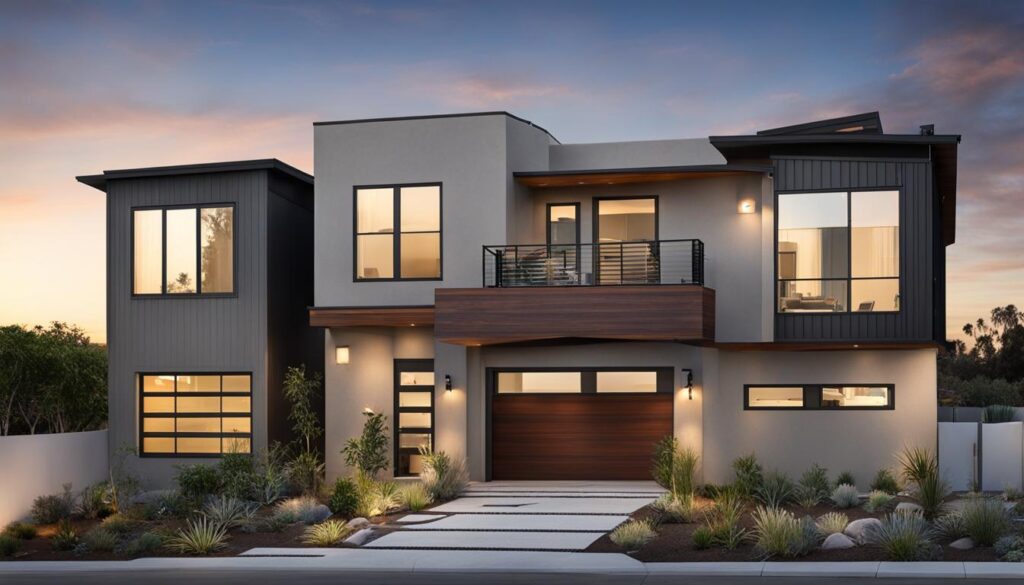
Conceptualizing the perfect build an adu project starts with an in-depth consultation with a contractor who values your unique ideas. From architectural design considerations to interior finishes, every detail is an opportunity to personalize your space. Tailoring these design elements to your preferences leads to a customized accessory dwelling unit that not only maximizes functionality but also accentuates aesthetic appeal.
As you pioneer your dream adu project, it’s integral to stay informed about the latest trends and technology that can complement your ADU. Energy-efficient appliances, sustainable materials, and space-saving innovations can all elevate the quality and value of your investment, setting a new benchmark for modern living in San Diego’s dynamic housing landscape.
Ultimately, your ADU is a reflection of your aspirations. By working closely with professionals who are committed to delivering innovative adu solutions, you’re not just building a structure – you’re crafting a personalized extension of your home that stands as a testament to thoughtful design and impeccable craftsmanship.
As urban populations grow, efficient use of limited space has become critical for many homeowners. This has inspired innovative ADU designs that focus on maximizing ADU space even within the confines of small lot ADUs. These practical yet stylish solutions offer comfort and utility, proving that thoughtful design can overcome the challenges posed by San Diego ADU setbacks and zone restrictions.
Whether you choose a detached ADU that stands alone or an attached ADU that’s integrated with your primary residence, each type has unique benefits and considerations. Detached ADUs offer privacy and independence, while attached ADUs are ideal for those looking to maintain proximity to the main home. Making wise use of vertical space and light can create a sense of openness in either scenario.
Navigating through San Diego adu setbacks and zone restrictions is a crucial part of the ADU planning process. Knowledge of the local regulations is essential to avoid costly mistakes and ensure that the ADU fits within the legal framework. By employing creative design strategies, homeowners can turn these regulations into an advantage, crafting spaces that are as functional as they are delightful.
Let’s take a closer look at some of the specific ways to maximize the utility of an ADU:
Below is a table comparing key considerations for the most popular ADU configurations:
| Type of ADU | Advantages | Considerations |
|---|---|---|
| Detached ADU | Privacy, potential as a rental unit, own entrance | Higher cost due to separate utilities, may have stricter setbacks |
| Attached ADU | Lower cost, easy access, shared utilities | Might affect privacy, dependent on primary house design |
| Garage Conversion ADU | Efficient land use, existing structure | May have limited space, requires thoughtful design to maximize utility |
In conclusion, creative approaches and meticulous planning are essential for making the most of a compact living area in San Diego. By blending innovation with the natural attributes of the space, homeowners can achieve maximizing adu space without compromising on functionality or style.
Embracing sustainable ADU building is essential for San Diego residents who are considering adding an Accessory Dwelling Unit (ADU) to their property. Implementing green construction practices not only aligns with the San Diego building code but also ensures that the ADU will be both energy-efficient and environmentally friendly. These considerations are at the forefront of urban development efforts to minimize ecological footprints while creating valuable living spaces.
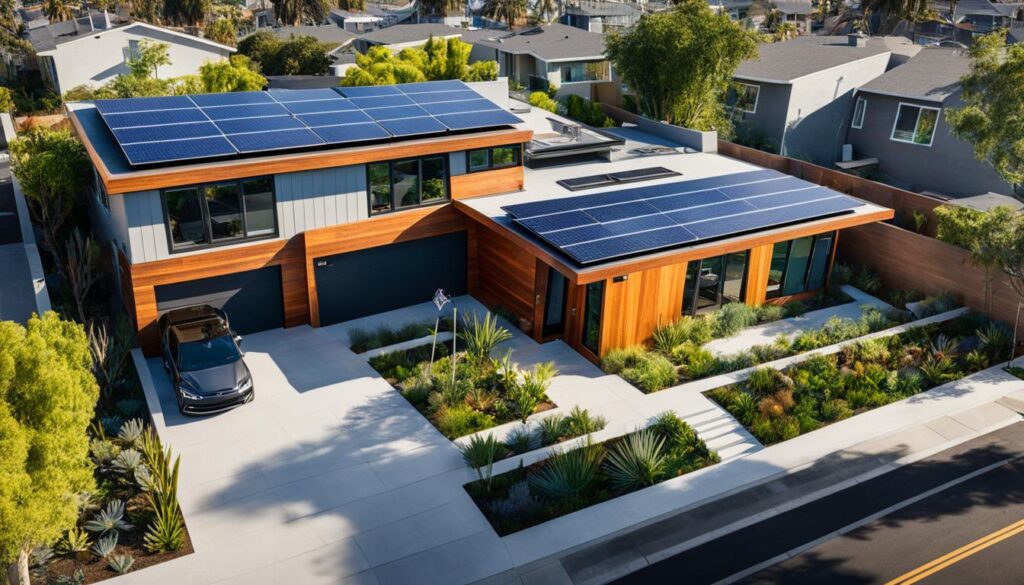
Focusing on energy-efficient ADUs is about more than just lower utility bills; it’s a commitment to eco-conscious living. From solar panels to energy-recovery ventilators, the opportunities to reduce energy consumption are vast and contribute to a more sustainable future. Moreover, selecting materials that are sustainably sourced or made from recycled content can greatly reduce the environmental impact of constructing a new ADU.
San Diego’s commitment to sustainability is evident through its progressive building code, which prioritizes the environment as much as it does innovation and growth.
These features are central to green construction practices, setting the standard for ADUs that are as kind to the planet as they are to the people living in them.
| Feature | Benefit | Compliance |
|---|---|---|
| Insulation | Improved energy retention | Meets San Diego building code |
| Water-efficient fixtures | Conserves water resources | Supports water sustainability goals |
| Non-toxic building materials | Better indoor air quality | Enhances occupant well-being |
Investing in an environmentally friendly ADU is not just a personal achievement; it’s a contribution to the overall health of the San Diego community. By adopting these practices, homeowners participate in a wider movement towards a greener future, proving that thoughtful development and ecological responsibility can go hand in hand.
The journey of adding an Accessory Dwelling Unit to your property is an exciting process that requires knowledge and preparation. From initial designs to hammering the last nail, the timeline can vary significantly based on the scope of your project and the efficiency of the ADU permit process. Partnering with an experienced ADU contractor in San Diego is crucial in ensuring that this timeline is as streamlined and predictable as possible.
Obtaining the necessary permits is the foundational step in any San Diego ADU construction timeline. Experienced ADU contractors in San Diego are well-versed in local regulations and can skillfully navigate the adu permit process. Their expertise ensures that all necessary documentation is in order, thereby mitigating potential delays. Let’s see a step-by-step breakdown of the typical permit process:
The construction of your primary dwelling unit involves a series of well-defined phases. Each stage is critical, impacting the next, hence the importance of relying on a contractor with a proven track record in ADU construction.
| Phase | Activities | Duration |
|---|---|---|
| Design | Conceptualizing the layout, style, and features of the ADU | 2-6 weeks |
| Site Preparation | Clearing the land, grading, and laying the foundation | 1-3 weeks |
| Framing | Erecting the structure, walls, roof, and floors | 3-5 weeks |
| External Works | Roofing, siding, windows, and external doors installation | 2-4 weeks |
| Mechanical, Electrical, and Plumbing | Installation of essential services and utilities | 4-6 weeks |
| Insulation and Drywall | Interior wall and ceiling installation | 2-4 weeks |
| Finishing | Trim, paint, cabinets, appliances, and fixtures | 4-6 weeks |
| Final Inspection | Municipal inspection and correction of any identified issues | 1-2 weeks |
| Completion | Final touches and walkthrough with the contractor | 1 week |
An experienced ADU contractor in San Diego will guide you through each of these primary dwelling unit construction phases, maintaining an open line of communication about timelines and expectations. Through their expertise, you can enjoy the expansion of your living space with minimal disruptions and challenges.
As we reach the end of our comprehensive discussion on Accessory Dwelling Units (ADUs) in San Diego, it’s clear that the journey towards extending living spaces is both innovative and meticulous. We’ve traversed through the crucial role of trusted ADU contractors in San Diego, each one bringing their expertise and bespoke craftsmanship to meet the unique needs of homeowners. Our exploration emphasized that selecting a well-reviewed, top-rated ADU contractor in San Diego is not merely a choice but a cornerstone of project success.
While pondering the creation of your ADU, remember that budget management is a multifaceted endeavor. It encompasses a keen understanding of costs associated with construction and also a finesse in leveraging finance programs. Coupled with a personalised approach to design and a commitment to sustainability, your ADU project can flourish under the guidance of a professional ADU contractor in San Diego. The singularity of their vision and the tailored designs they provide ensure that every inch of your ADU resonates with both functionality and aesthetic prowess.
In conclusion, it is the amalgamation of detailed contractor reviews, the acquired wisdom in regulatory obligations, and the application of sustainable building practices that pave the way for a successful ADU project. As homeowners in San Diego inch closer to launching their ADU ventures, let this collection of insights serve as a trusted atlas. The search for excellence in ADU development ends with the alliance of authenticity, craftsmanship, and the reviews of a reliable ADU contractor. Their mastery in navigating the terrain of ADU construction will no doubt lead to spaces that are not only built but inspired.
ADU San Diego California is a leading adu contractor in San Diego, specializing in the construction of Accessory Dwelling Units (ADUs). As a top adu building company, their expert adu contractors are committed to delivering high-quality and tailored solutions that meet the needs and desires of homeowners in San Diego. Their team of licensed adu builders ensures that every adu construction project aligns with local building codes while providing exceptional services. The company’s strong reputation as the top adu contractor in San Diego demonstrates their dedication to excellence and client satisfaction.
The surge in the popularity of Accessory Dwelling Units (ADUs) across San Diego reflects a city-wide adaptation to urban living dynamics and housing demands. With an increasing need for affordable and flexible housing options, many homeowners are turning to accessory dwelling unit contractors and granny flat contractors in San Diego to transform underutilized spaces into functional and stylish living solutions.
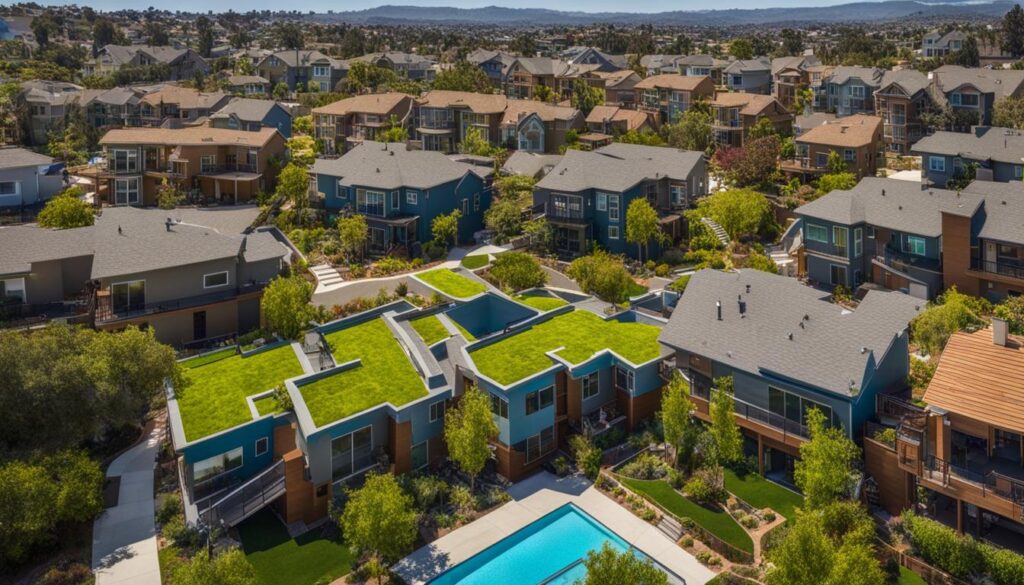
ADUs, also known as granny flats, backyard homes, and casitas, are self-contained living units that can be added to a property with ease. These compact dwelling solutions are becoming increasingly popular as they maximize space, generate rental income, and provide multigenerational living options for families. With the rapid growth of ADUs in San Diego, remodeling contractors are now specializing in creating these versatile units to cater to the evolving needs of urban homeowners.
As ADUs gain popularity, it is crucial for homeowners to be aware of the local regulations and ADU guidelines in San Diego County. These guidelines streamline the permitting process and foster sustainable development while ensuring safety and compliance with building codes. Property owners can work with a reputable San Diego remodeling contractor who is experienced in navigating the regulations and tailoring ADU designs to meet local requirements.
| ADU Type | Maximum Size | Setbacks | Parking |
|---|---|---|---|
| Attached ADU | 50% of primary dwelling | 4 feet from property lines | 1 off-street space per unit |
| Detached ADU | Up to 1,200 sq.ft. | 4 feet from property lines | 1 off-street space per unit |
| Conversion ADU | n/a | Existing structure | No additional requirements |
By understanding and adhering to San Diego’s ADU guidelines, homeowners can add value and functional living space to their properties while contributing to the city’s efforts to address housing needs.
Selecting the ideal ADU contractor in San Diego involves thorough research and consideration. Homeowners should seek a contractor with a robust portfolio of quality ADU builds, demonstrating expertise in the construction of san diego adus. One such professional san diego adu contractor is ADU San Diego California, who prides itself on providing tailor-made solutions to cater to individual homeowner needs.
“ADU San Diego California has a deep understanding of the region, enabling them to guide homeowners smoothly through the process of creating their desired accessory dwelling unit.”
For those looking to build an adu in San Diego CA, it is essential to choose a contractor who specializes in quality adu builds. In collaboration with the homeowner, the contractor should be able to create a living space that not only adds value to the property but also enhances its overall appeal.
In conclusion, while choosing the right contractor for your ADU project can be a daunting task, doing ample research and seeking recommendations will help pave the way for success. A reputable contractor like ADU San Diego California not only offers a wealth of experience in the industry but also remains steadfast in their dedication to delivering exceptional accessory dwelling units tailored to the specific needs of San Diego homeowners.
The design and remodeling phase of an ADU project is where homeowners and their chosen San Diego remodeling contractor work together to create an accessory dwelling unit that aligns with individual needs and aspirations. Unique and tailored spaces are produced, whether for a rental income property, a guest house, or additional living space. ADU San Diego California specializes in crafting custom ADUs that incorporate the principles of universal design to foster multigenerational living.
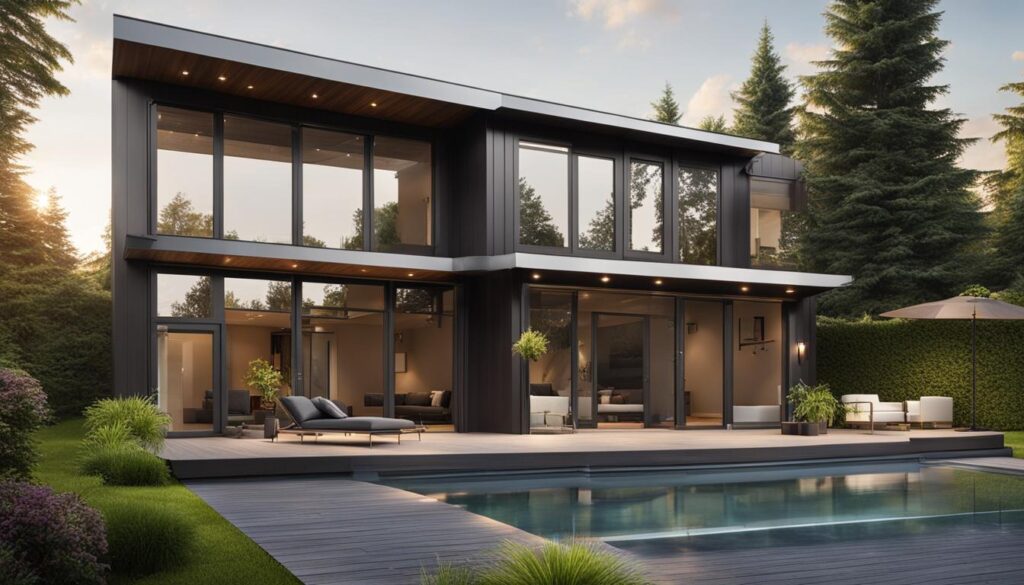
Developing a custom ADU plan involves drafting layouts that suit the homeowner’s preferences and requirements. It is essential to work closely with your ADU design and design-build contractor in San Diego to ensure that all elements, from aesthetics to functionality, are fully considered in the design process. It is this collaborative effort that guarantees each accessory dwelling unit, whether a granny flat or a guest house, is tailored to the expectations and needs of each client.
Universal design principles aim to create spaces that are accessible and comfortable for people of all ages and abilities. Incorporating universal design in your custom ADU ensures that the living space is adaptable, meeting the needs of different generations and allowing for modifications as needed over time. By incorporating elements such as wider doorways, zero-threshold showers, and appropriate lighting, your ADU will be well-suited to accommodate a variety of occupants, enhancing the versatility and value of your property.
In conclusion, the design and remodeling process, when done in collaboration with an experienced and knowledgeable San Diego remodeling contractor, yields customized results that cater to every homeowner’s unique needs. With attention to detail and an emphasis on universal design, ADU San Diego California ensures that each project results in a comfortable, accessible, and attractive living space that serves its intended purpose.
ADU San Diego California offers comprehensive ADU construction services that cater to homeowners’ unique needs, guiding them through every phase of their construction project. From initial design concepts to the finished build, their skilled builders in San Diego expertly handle all aspects, ensuring high-quality materials and efficient execution at every stage.
Crucial to the successful construction of building accessory dwelling units and granny flats in San Diego is balancing the interplay between the new spaces and their primary dwellings. ADU San Diego California excels in aligning projects to complement existing properties seamlessly while maintaining strict adherence to housing guidelines for both attached and detached units.
“It’s our mission to transform every homeowner’s vision into a reality, delivering unmatched quality and efficiency in every ADU we create.”
| ADU Type | Considerations | Challenges |
|---|---|---|
| Attached ADU |
|
|
| Detached ADU |
|
|
By entrusting ADU San Diego California with your construction project, you can rest assured that your new living space will be meticulously crafted, designed to stand the test of time and add substantial value to your property. The dedicated builders in San Diego uphold an unwavering commitment to expertise, making them your ideal partner in transforming your home to its fullest potential.
In San Diego, finding a professional and trustworthy ADU contractor is essential for homeowners looking to build high-quality accessory dwelling units. The right contractor will not only ensure a smooth construction process but also provide an affordable solution without compromising on quality. This section will discuss the importance of hiring a licensed ADU builder and the benefits of working with top ADU contractors in San Diego.
Choosing a licensed ADU builder is crucial to ensure the legality and quality of ADU construction. Working with a licensed contractor guarantees adherence to city building codes, which helps protect homeowners from potential legal issues, fines, or delays in the construction process. Moreover, licensed builders possess the necessary experience, skills, and resources to deliver high-quality results that meet and surpass homeowner expectations.
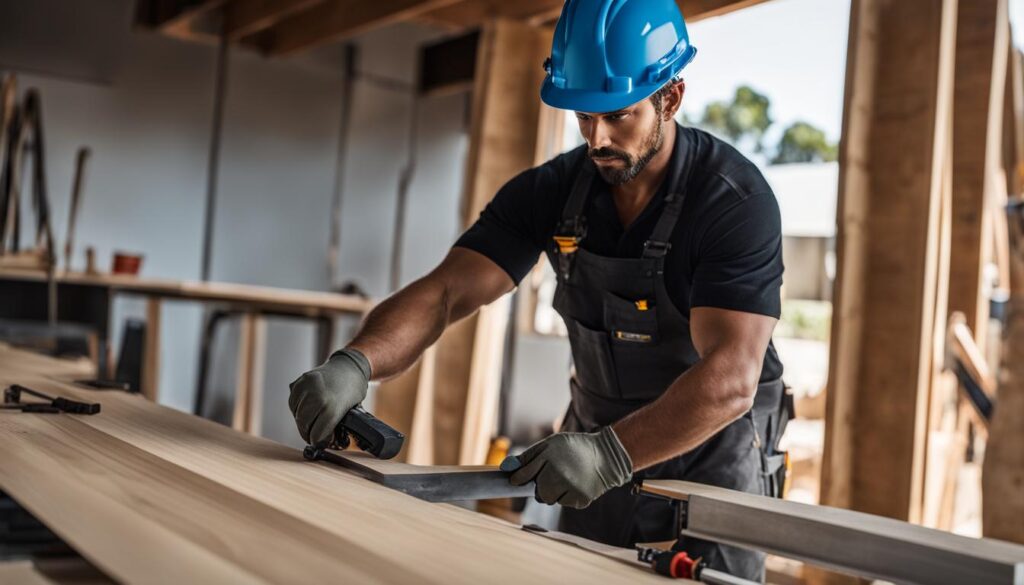
Affordable ADU construction without sacrificing quality is the ultimate goal of any homeowner looking to build an accessory dwelling unit. It is imperative to engage a contractor with a reputation for offering cost-effective solutions without cutting corners. One of the top ADU contractors in San Diego, ADU San Diego California, is known for its commitment to high-quality building practices, reputable craftsmanship, and cost-effective solutions that cater to varying homeowner budgets. By working with trusted ADU contractors, homeowners can achieve their desired ADU while staying within their financial means.
ADU San Diego California caters to a diverse range of homeowner needs by offering a variety of ADU project types, including garage conversions and detached ADUs. Their strategic approach prioritizes eco-friendly and energy-efficient practices, ensuring their projects align with the values of today’s climate-conscious homeowners. Let’s explore the different project types offered by this adu building company and their commitment to sustainable methods.
Garage conversions involve transforming an existing garage into a comfortable and functional living space, maximizing the use of underutilized areas within a property. Detached ADUs, on the other hand, are separate structures built independently from the main house. Both options provide homeowners with additional living space or potential rental income, while catering to varying requirements and property layouts.
The commitment of ADU San Diego California to eco-friendly and energy-efficient practices is evident in the materials, appliances, and construction techniques they employ throughout all their projects. By incorporating sustainable and energy-saving solutions such as solar panels, high-performance insulation, and energy-efficient lighting and appliances, they reduce the environmental footprint and long-term costs associated with ADU projects. These practices not only align with the values of modern homeowners, but also contribute to the overall appeal and value of the completed dwelling units.
Engaging a professional ADU builder in San Diego not only maximizes your property’s living space but also promises a substantial return on investment. Accessory dwelling units (ADUs) provide flexible solutions for expanding living areas and tapping into rental income opportunities. By working with experienced accessory dwelling unit builders, you can increase your property’s market value and make the most out of your living space.
When it comes to adding value to your property, return on investment (ROI) is a crucial factor to consider. By investing in a San Diego ADU, homeowners can experience a significant increase in their property’s value. In addition, the increased living space can generate rental income, ultimately recovering the initial investment costs.
Below is a table displaying a potential return on investment for building an ADU in San Diego:
| ADU Type | Construction Cost | Average Monthly Rental Income | Estimated ROI |
|---|---|---|---|
| Garage Conversion | $50,000 – $70,000 | $1,500 – $2,000 | 4 – 6 years |
| Detached ADU | $100,000 – $150,000 | $2,000 – $2,500 | 5 – 7 years |
As the table demonstrates, both garage conversions and detached ADUs can offer attractive ROI, making them an appealing option for homeowners looking to maximize their investment.
Enlisting the expertise of a professional ADU builder is essential in living space expansion and fully capitalizing on rental income opportunities. The right contractor can assist in maximizing the financial potential of your property while ensuring regulations compliance, efficient space utilization, and aesthetically pleasing design elements.
As one of San Diego’s preferred accessory dwelling unit builders, ADU San Diego California is a reliable choice for homeowners looking to enhance their property value and create an additional source of revenue through rental income. To create the ideal ADU that matches your vision, budget, and needs, collaborating with a professional ADU builder is key.
When it comes to leading ADU contractors in San Diego, a select few companies have distinguished themselves through their exceptional commitment to craftsmanship and hands-on experience. Expert ADU builders in the area are renowned for their ability to conceptualize and craft ADU homes that not only meet, but exceed client expectations.
Their technical know-how and attention to detail allow these professionals to bring stunning ADU projects to life, designed for durability and aesthetic appeal. The mark of a true craftsman is showcased in the seamless integration of form and function within an ADU home.
“Quality is never an accident; it is always the result of intelligent effort.” – John Ruskin
By working with San Diego’s top ADU contractors, homeowners gain access to an extensive range of skills and expertise. Some of the factors that set these leading experts apart include:
These qualities combine to elevate the final product, resulting in ADU homes that are visually captivating, comfortable, and long-lasting.
The table below highlights the key traits of expert ADU builders in San Diego that clients can expect from their contractor:
| Expert ADU Builder Traits | Description |
|---|---|
| Attention to detail | Ensures all aspects of the project are executed with precision to guarantee a high-quality outcome. |
| Knowledge of building codes | Stays up-to-date with local regulations to maintain compliance throughout the building process. |
| Experience in various ADU styles | Capable of constructing a wide range of ADU designs, from traditional to contemporary. |
| Adaptable to design trends | Continually evolves to incorporate the latest design innovations in their projects. |
| Achievements and track record | A strong portfolio and testimonials from satisfied clients who have experienced the contractor’s expertise first-hand. |
A partnership with a leading ADU contractor in San Diego assures homeowners that the vision for their ADU home will be brought to fruition with expert craftsmanship and exceptional skill. With a focus on both beauty and longevity, these professionals ensure their clients receive an ADU space that adds substantial value and comfort to their existing property.
ADU San Diego California, as a leading adu contractor san diego, has consistently demonstrated dedication and expertise in meeting the evolving needs of homeowners seeking to build their ADU. With a comprehensive understanding of design, technology, and local regulations, the company remains at the forefront of ADU construction in the region.
Their streamlined approach from start to finish ensures a seamless experience for homeowners, as they navigate the complexities of the construction project. From casitas and granny flats to backyard homes, their quality craftsmanship guarantees that new living spaces are both functional and add significant value to the property.
In conclusion, for those considering expanding their living space, ADU San Diego California is the ideal partner as a professional and trusted san diego adu contractor. With their impeccable attention to detail and commitment to client satisfaction, homeowners can confidently embark on their ADU construction journey with peace of mind.
[…] Readiness: Understand the inspection requirements and ensure your ADU’s build quality adheres to […]
[…] add value to your property and increase your living space. However, it is crucial to work with the top-rated ADU builders in San Diego who can provide high-quality home extensions that meet your specific needs and […]
[…] your garage into a living space in San Diego typically requires obtaining the necessary permits from the local authorities. The permit process […]
Is the first step usually checking the lot, the design, or the permit rules?
It’s a smart question, especially when your move has a hard deadline. In San Diego County, the permit process usually involves multiple steps and reviews, and the timing can be affected by plan completeness, code requirements, and review back-and-forth if corrections are needed. A good ADU Contractor San Diego – ADSD will help you avoid delays by preparing an accurate, code-aligned submittal package up front, then coordinating the construction workflow around the approvals you receive first versus what comes later. If you share your target move-in date and the general scope, we can outline the phased approvals you’re likely to encounter and the best way to sequence work to stay on schedule.
[…] the path to erecting an ADU San Diego residents can be proud of involves a strict adherence to San Diego accessory dwelling unit […]
What information should I gather before calling a contractor about a possible ADU?
Great question, and it’s smart to think about site conditions early. For projects in areas like Oceanside where older utilities and grading can be unpredictable, ADU Contractor San Diego – ADSD starts with a site assessment and works from whatever utility information is available before construction. If issues show up during excavation, we address them through prompt field verification, coordinated decisions on what can be adjusted on-site, and clear communication on any changes that affect scope. The goal is to keep impacts controlled by planning the foundation and utility approach around realistic site constraints from the start.
In San Diego, i’m trying to make an ADU feel livable without eating up our yard too much. If we’re limited by lot size and setbacks here, what design tradeoffs do you usually recommend to keep the layout comfortable?
Great question. When setbacks and lot size are tight, we typically start with how you want the ADU to function day-to-day (sleeping/working zones, circulation paths, and where you can place windows for light). Common tradeoffs include prioritizing a more open main living area while compacting hallways, adjusting door/window locations to maximize natural light, and choosing an efficient bathroom/laundry layout to save footprint. We’ll also look at parking/access needs so the exterior design still works with the site constraints. ADU Contractor San Diego – ADSD can help you review options so the final plan feels practical, not cramped.
When comparing ADU options, what are the biggest things that can change the scope of the project?
Great question. ADU Contractor San Diego – ADSD typically plans construction access around your existing driveway, utilities, and everyday use so the main home stays functional. In the pre-build phase, we review the site layout, where equipment/materials will stage, and how the temporary routes will work with setbacks and any access requirements. We also coordinate utility connections and any grading carefully so you don’t end up with unnecessary rework. If there are tenants or tight parking conditions, that’s part of the upfront planning too, so the build stays as smooth and minimally disruptive as possible.
Understanding the ADU regulations in San Diego is crucial for homeowners and developers seeking to expand their residential footprint through accessory dwelling units (ADUs). As a city known for its pristine beaches, vibrant neighborhoods, and a housing market teeming with potential, San Diego offers a unique opportunity for ADU projects. However, navigating the San Diego ADU permit requirements can be a daunting task without proper guidance and permit assistance.
Before embarking on the journey of ADU development, it is imperative to understand the legal requirements for ADUs in San Diego. These regulations exist to ensure a balance between urban development and the preservation of the city’s charm and character. With the right approach, homeowners can reap the benefits of adding an ADU to their property, be it for rental income, housing a family member, or merely increasing their home’s value.
Navigating the landscape of San Diego accessory dwelling unit regulations is pivotal for maximizing the benefits of ADUs. This understanding not only facilitates compliance with local zoning laws and property restrictions but also enables property owners to avoid pitfalls due to common misconceptions about the permit process and construction guidelines.
Adding an ADU to your San Diego property presents an array of advantages:
An informed approach to ADU development in San Diego is essential to realize these gains fully. Homeowners must keep current with ADU regulations in San Diego to ensure a strategic and informed investment into their properties.
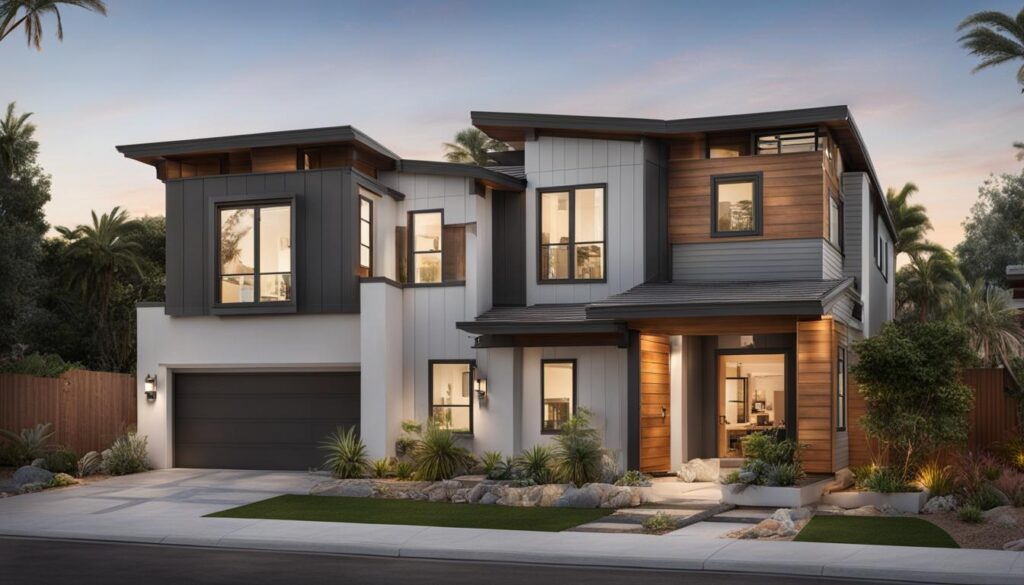
Homeowners often face several misunderstandings when it comes to constructing ADUs:
It’s critical to demystify the actualities of ADU development to navigate the process smoothly:
“Understanding the true nature of ADU regulations and permit requirements in San Diego dispels fears and streamlines the development process.”
Zoning laws and property restrictions can differ significantly from one area to another within San Diego, and appreciating these nuances is key to successful ADU planning and construction.
| Common Misconception | Reality |
|---|---|
| Construction of ADUs will lead to overcrowding | San Diego’s zoning laws ensure balanced development |
| ADUs will drastically reduce privacy | Thoughtful design and positioning can maintain privacy |
| Permits are rarely granted for ADUs | Permit process is straightforward with proper guidance |
To capitalize on the benefits of ADUs, property owners must cut through the fog of confusion and get to the heart of actual ADU regulations in San Diego. The regulations are designed to encourage ADU development while maintaining the integrity of community living spaces.
Homeowners considering an ADU project should seek accurate information and, if needed, professional permit assistance to navigate the permit process effectively. Whether for additional income or extending living space, a well-informed approach to ADU construction aligns with both personal goals and community standards.
Delving into the San Diego ADU zoning regulations reveals a legal framework designed to accommodate the growing needs for diverse housing options within the city. These regulations are shaped by comprehensive land use policies that delineate not just what can be built, but also where and how. An understanding of these rules is essential for homeowners interested in developing an Accessory Dwelling Unit (ADU), commonly known as a granny flat, on their property.
When we talk about ADU zoning in San Diego, we refer to specific criteria that govern the construction of these units. This includes regulations related to the permissible locations for ADUs, the allowable sizes, and intricate design guidelines that must be adhered to. Given that these laws periodically evolve, staying informed is crucial for both potential developers and current homeowners.
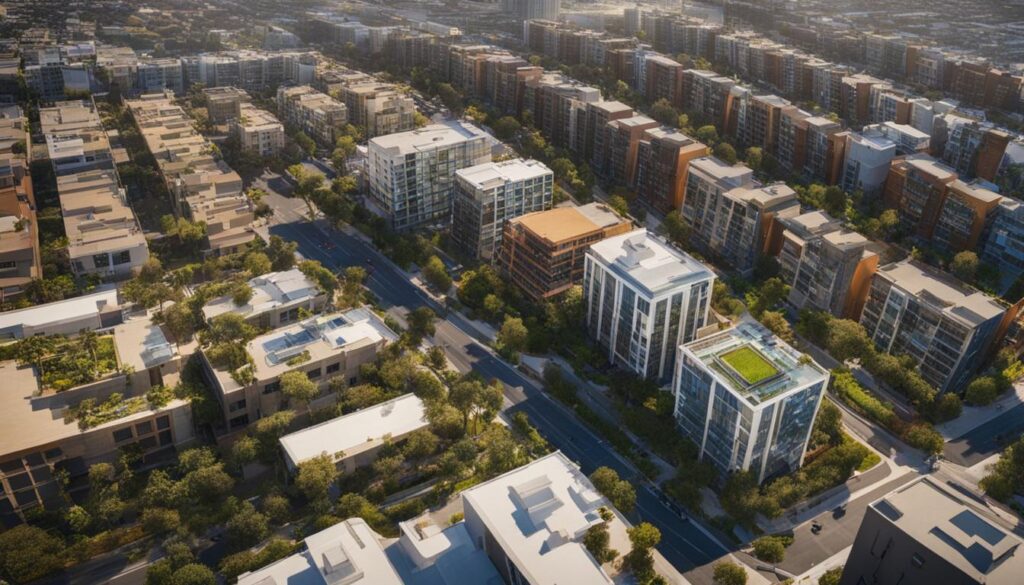
It’s worth noting that there is a distinction between the regulations for ADUs and those for San Diego granny flat regulations. While both are types of accessory dwelling units, granny flats are specific to San Diego and may have unique requirements concerning owner occupancy and rent duration. Moreover, variances in zoning laws exist from one district to another, illustrating the city’s commitment to maintaining neighborhood character while also promoting housing accessibility.
| ADU Type | Maximum Size | Owner Occupancy Required | Rental Period Restrictions |
|---|---|---|---|
| Detached ADU | 1,200 sq ft | No | None |
| Jr. ADU | 500 sq ft | Yes, until 2025 | Minimum of 31 days |
| Granny Flat | Varies by District | Case-by-Case Basis | TBD by Local Ordinances |
When initiating an ADU project in San Diego, one must give consideration to factors such as minimum lot size, height restrictions, setback requirements, and parking spaces. For instance, the newly passed state laws have had a significant impact by easing certain restrictions and streamlining the approval process for ADUs.
By tailoring San Diego’s approach to ADU development, lawmakers aim to alleviate the housing crisis by integrating flexibility with respect to increasing urban density while protecting neighborhood aesthetics and historical value.
Whether you are building a detached ADU in your backyard or converting a portion of your home into a junior ADU, navigating the San Diego granny flat regulations and zoning rules can be greatly simplified with thorough research and a sound strategy. By aligning construction plans with these regulatory nuances, property owners can significantly increase the odds of a seamless development experience and avoid the common stumbling blocks in the ADU permitting journey.
The journey of constructing an Accessory Dwelling Unit (ADU) in San Diego involves several critical stages. To navigate this complex path, an in-depth understanding of the initial planning, the application process, and what to expect during inspections and approvals is imperative. By adhering to these stages, homeowners can maximize their chances of a smooth and compliant San Diego ADU development process.
At the onset, initial planning encompasses thorough research into adu eligibility criteria and understanding San Diego backyard cottage regulations. Knowing which planning approvals are necessary and ensuring your property meets the requirements are the foundational steps. Compliance tips from experts suggest starting with a site assessment to determine feasibility and grasping an overview of the permit costs. A strategic approach involves consulting with the local planning department or seeking professionals who can provide permit assistance.
The ADU application process is the next crucial phase. This involves preparing and submitting a comprehensive application package for building permits, which includes detailed construction plans, site plans, and relevant documentation tailored to San Diego’s regulations. Anticipating regulatory hurdles, such as zoning issues or neighborhood opposition, is part of this process. Candidates for a successful application often utilize pre-submission checklists and engage in pre-approval consultations.
Upon submission of the building permit application, homeowners must prepare for building inspections. These inspections are part and parcel of the ADU permitting process San Diego, evaluating whether the construction meets local and state building codes. It is beneficial to be well-prepared by understanding the permit costs and scope of the inspections. Ensuring compliance through every twist and turn facilitates a smoother approval phase, ultimately allowing the project to move forward without unnecessary delays.

Let’s dive deeper into each step’s specifics to provide you with actionable insights:
Each stage of the ADU development process requires careful preparation and an understanding of local guidelines to navigate complex regulatory landscapes effectively.
Below is an essential checklist for homeowners who are considering embarking on their ADU project in San Diego:
| Stage | Action Items |
|---|---|
| Initial Planning |
|
| Application Process |
|
| Inspection & Approval |
|
By meticulously planning each step, from thorough initial planning to overcoming regulatory hurdles and successfully navigating the building inspections phase, San Diego homeowners can ensure they are well on their way to realizing their ADU goals.
Embarking on an accessory dwelling unit (ADU) project in San Diego requires a well-informed understanding of the San Diego ADU development guidelines. These guidelines encompass a comprehensive range of stipulations, from construction legalities to strict adherence to local ordinances and municipal codes. Homeowners and developers alike must ensure alignment with these mandates to facilitate a project’s success and legality. Below, we delve into the essential components of these guidelines that dictate the foundational aspects of ADU development in San Diego.
One of the primary local ordinances is the size and scale of the ADU. Developers must ensure that their plans align with the specific limitations designated by local zoning laws, which can vary significantly from one neighborhood to another. Additionally, construction plans must adhere to construction legalities concerning safety standards, materials, and workmanship quality to satisfy inspection and code requirements.
Understanding and following the detailed San Diego ADU development guidelines is not just about compliance, it’s about optimizing the safety, usability, and value of your property investment.
Let’s navigate the key elements that compose the San Diego ADU development guidelines, starting with municipal codes and zoning requirements.
To provide a clearer vision of how these elements interconnect, here is a detailed table:
| Guideline Category | Key Components |
|---|---|
| Zoning Ordinances |
|
| Building and Safety Codes |
|
| Lot and Space Guidelines |
|
| Parking Stipulations |
|
In summary, comprehensive knowledge of the San Diego ADU development guidelines, including the myriad of local ordinances and municipal codes, is essential. These parameters dictate everything from the placement and size of your ADU to the necessary infrastructure improvements to accommodate it. Therefore, thorough planning and adherence to these guidelines will not only help mitigate legal and financial risks but will also enhance the functionality and value of the ADU upon completion.

For further assurance and clarification, it is advisable to consult with San Diego’s Development Services Department or work in conjunction with an experienced local builder or architect familiar with the intricate requirements specific to the region. By doing so, you can navigate San Diego’s unique building landscape with a comprehensive and actionable development strategy.
Constructing an accessory dwelling unit in ‘America’s Finest City’ mandates strict adherence to San Diego ADU building codes. These ordinances are rigorously enforced to ensure not only the well-being and safety of inhabitants but also to uphold the aesthetic and structural integrity of local neighborhoods. This guide aims to outline the core aspects of code compliance and help potential builders understand the paramount importance of safety and legal adherence within the context of San Diego ADU construction guidelines.
At the heart of building an ADU in San Diego lies the need for strict code compliance. Code compliance is not only a legal requisite but a benchmark for safety standards that protect the investment and those who reside within. Below is a list of key compliance areas that are non-negotiable for any ADU construction project in the region:
Each of these standards is encapsulated in detailed San Diego ADU construction guidelines, providing a blueprint for legal and safe ADU projects. To reinforce the importance of adhering to these codes, consider this direct statement:
Compliance with local building codes is not only your legal duty as a property owner—it is also your social responsibility to ensure a safe, livable, and sustainable community in San Diego.
For a deeper insight into the specifics of building codes, we present an overview of the essential San Diego ADU building codes that must be taken into account:
| Building Code Category | Description |
|---|---|
| Construction Documentation | Drawings, calculations, and other documentation affirming the ADU’s design complies with all applicable codes. |
| Foundation and Footings | Specifics on the necessary depth and materials to ensure the structural base of the ADU is sound and secure. |
| Insulation and Ventilation | Guidance on materials and methods for effective thermal performance and air quality. |
| Electrical, Plumbing, and HVAC Systems | Compliance with safety standards for all utility installations, ensuring they are up to code and function safely. |
| Green Building Standards | Requirements that ensure the ADU is built with sustainable practices, minimizing environmental impact. |
Achieving code compliance in San Diego requires a partnership between property owners, builders, code officials, and sometimes even legal counsel. Below is an image that depicts the collaborative process that brings an ADU from concept to a fully compliant reality.
Meticulously following these guidelines will not only facilitate a smoother permitting process but also ensure that safety is not compromised at any stage. Property owners and builders are urged to consider the long-term benefits of compliance, which extend well beyond the completion of construction.
In conclusion, while the prospect of navigating San Diego ADU building codes may seem daunting, it is crucial to remember that these regulations exist to protect you and the broader community. Committing to code compliance and safety standards is not just a regulatory formality; it is a testament to quality, sustainability, and the overarching ethos of responsible urban development.
The journey of building an Accessory Dwelling Unit (ADU) in San Diego comes with its fair share of financial considerations. Understanding the varying permit costs and accurately budgeting for your ADU project can prevent unwelcome surprises and ensure that your investment stays on track. We’ll break down the essential expenses you can expect and provide strategic tips for managing your ADU budget in San Diego effectively.
Planning your ADU project with a detailed budget in mind is instrumental in navigating the permit and construction landscape of San Diego.
Firstly, it’s important to recognize that San Diego ADU costs can be categorized into predictable fees, construction expenses, and unexpected costs that may arise. Let’s begin by considering fees associated with obtaining the necessary permits.
Next, we’ll dive into the costs directly linked to the construction phase:
It is also essential to account for adu permit requirements San Diego, which may include design adjustments or compliance with health and safety standards. Here’s a breakdown of potential permit-related expenses:
| Permit Type | Approximate Cost |
|---|---|
| Building Permit | $3,500 – $5,000+ |
| Mechanical Permit | $200 – $1,000 |
| Electrical Permit | $250 – $1,200 |
| Plumbing Permit | $225 – $1,250 |
| Grading Permit | $1,400 – $2,000+ |
Moreover, unexpected expenses may include:
Ultimately, the key to budgeting for ADU construction in San Diego is about being as rigorous and comprehensive as possible in the planning phase, while also setting aside a contingency fund for the unexpected. Additionally, take advantage of the wealth of resources provided by San Diego’s Development Services Department, including detailed fee schedules and helpful permit assistance.
By approaching your ADU project with diligent financial planning, you can anticipate the necessary expenditures and mitigate against potential financial obstacles, making your ADU a valuable addition to your San Diego property.
With the housing needs continuously evolving, San Diego has been proactive in revising its ADU policies to address these demands. Being well-informed about the latest regulation updates is not just a legal requirement but an essential part of a successful property development strategy. Ignorance of the city’s ADU guidelines and city regulations can lead to costly mistakes, project delays, and even legal repercussions for property owners and developers.
Adhering to up-to-date provisions is particularly significant in a dynamic legislative environment where changes can alter the trajectory of a property development project overnight. San Diego’s approach to regulation updates often reflects a balance between driving growth and protecting the unique qualities of its neighborhoods. It is, therefore, critical to maintain a pulse on these developments and integrate them into one’s planning process.
The introduction of new ADU policies can have a profound impact on the scope and viability of ADU projects. Regulations can dictate various aspects of the construction process, from design requirements, size limitations, usage permissions to the imposition of fees and standards for tenant occupancy. San Diego’s goal of increasing housing availability through ADUs can only be achieved if developers and property owners comply with these evolving standards.
Failing to keep abreast of San Diego ADU policies can lead to projects that are not just non-compliant, but also less competitive in the thriving San Diego housing market.
Looking at some specific areas of change, we’ve seen the city update guidelines regarding owner-occupancy rules, parking requirements, and the permissible sizes of ADUs. These regulation updates can potentially unlock new opportunities, or conversely, add layers of complexity to development plans.
To illustrate how these updates may directly impact projects, consider the following scenarios that emphasize why up-to-date knowledge is crucial:
Thus, a robust grasp of the regulation updates and ADU guidelines in San Diego empowers stakeholders to make more informed decisions, adapt strategies swiftly, and leverage legislative shifts to their advantage.
| Regulatory Aspect | Previous Requirements | Updated Guidelines | Implications for Development |
|---|---|---|---|
| Owner-occupancy | Owner required to live in the main unit | No owner-occupancy required until 2025 | Opens ADU investment to non-resident property owners |
| Parking | One parking space per ADU required | No additional parking for ADUs within proximity to transit | Reduces construction costs and expands design options |
| Size limitations | Maximum 1,200 sq ft for a detached ADU | Increased maximum to 1,200 sq ft regardless of lot size | Enables larger ADU construction for higher rental yield |
The San Diego ADU policies serve as a blueprint for achieving regulatory compliance and harnessing the potential of ADUs as a solution to the city’s housing challenges. Therefore, the cost of non-compliance extends beyond fines as it can severely hinder the strategic positioning of one’s property within the housing market.
For the latest and most comprehensive resources, property owners are encouraged to consult the San Diego Development Services Department or reputable legal counsel specializing in land use and city regulations. In this landscape, diligent attention to regulation updates will be the hallmark of astute property management and development in San Diego’s vibrant housing ecosystem.
Navigating ADU regulations in San Diego is a pivotal aspect for homeowners and developers aspiring to undertake successful ADU development. With a comprehensive understanding of San Diego ADU requirements, individuals can strategically steer through the intricate permitting landscape, ensuring their projects not only comply with current laws but also support the city’s goals for growth and sustainability. This guide has presented the foundational knowledge necessary to embark on this journey, emphasizing the importance of adhering to local building codes, grasping the financial stakes involved, and remaining vigilant about regulatory updates.
To achieve successful ADU development, it’s imperative that property owners and developers utilize the information provided throughout this guide. It highlights the value of proactive learning and meticulous planning when navigating ADU regulations. Staying updated on San Diego’s dynamic policies will enable not just compliance, but also the optimization of the potential benefits that ADUs offer, such as added income and housing diversity.
In conclusion, whether you’re a first-time homeowner looking to expand your living space or a developer eyeing the lucrative opportunities of the ADU market, understanding and navigating ADU regulations in San Diego is essential. Utilize local resources, seek expert advice if necessary, and leverage this guide as a starting point for your project. By being informed, prepared, and adaptable, you can ensure that your ADU adds value to your property and serves as a testament to the harmony of urban development and community preservation.
The initial steps include researching local ADU regulations in San Diego, understanding specific permit requirements, and seeking permit assistance when necessary. It’s important to determine your property’s zoning and eligibility criteria for ADU development before moving forward with any plans or applications.
Adding an ADU offers potential rental income, can increase property value, and contribute to the availability of affordable housing in San Diego. It also provides an opportunity for multi-generational living and can utilize space efficiently on your existing property.
Yes, some common misconceptions include the belief that the permit process for ADUs is overly complicated or that ADUs can be built anywhere without adherence to local ordinances. Many people also underestimate the importance of understanding property restrictions and zoning laws specific to San Diego.
San Diego’s ADU zoning laws dictate land use policies, permissible locations, size, and design regulations for ADUs. There are distinct regulations concerning the differences between ADUs and granny flat ordinances, with variances in zoning laws across different districts within the city.
The ADU permitting process in San Diego involves initial planning and research, understanding ADU eligibility criteria, and navigating through application submission, which includes comprehensive documentation. Following that, the project must undergo inspection and approval phases, which assess code compliance and safety standards.
San Diego’s ADU building codes are designed to ensure code compliance and adherence to safety standards. They provide specific construction guidelines that must be followed to build a legal and safe ADU. These codes cover aspects like size limitations, setbacks, parking, and other structural requirements.
When budgeting for an ADU in San Diego, you should account for various permit costs, impact fees, construction expenses, and potential upgrades to utilities or infrastructure. It’s advisable to review San Diego-specific fees and work with a professional to fully understand the financial aspects of your project.
Keeping up with regulation updates is crucial because San Diego’s ADU policies and city regulations can change. Staying informed ensures that your ADU project remains compliant with the latest legal requirements and avoids potential legal issues or project delays.
Understanding the ADU regulations in San Diego is crucial for homeowners and developers seeking to expand their residential footprint through accessory dwelling units (ADUs). As a city known for its pristine beaches, vibrant neighborhoods, and a housing market teeming with potential, San Diego offers a unique opportunity for ADU projects. However, navigating the San Diego ADU permit requirements can be a daunting task without proper guidance and permit assistance.
Before embarking on the journey of ADU development, it is imperative to understand the legal requirements for ADUs in San Diego. These regulations exist to ensure a balance between urban development and the preservation of the city’s charm and character. With the right approach, homeowners can reap the benefits of adding an ADU to their property, be it for rental income, housing a family member, or merely increasing their home’s value.
Navigating the landscape of San Diego accessory dwelling unit regulations is pivotal for maximizing the benefits of ADUs. This understanding not only facilitates compliance with local zoning laws and property restrictions but also enables property owners to avoid pitfalls due to common misconceptions about the permit process and construction guidelines.
Adding an ADU to your San Diego property presents an array of advantages:
An informed approach to ADU development in San Diego is essential to realize these gains fully. Homeowners must keep current with ADU regulations in San Diego to ensure a strategic and informed investment into their properties.
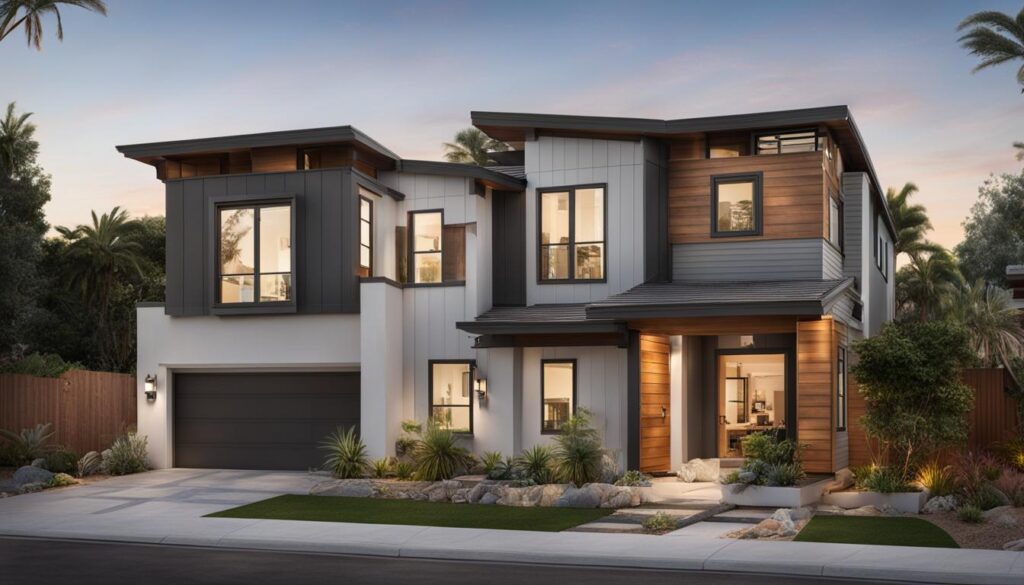
Homeowners often face several misunderstandings when it comes to constructing ADUs:
It’s critical to demystify the actualities of ADU development to navigate the process smoothly:
“Understanding the true nature of ADU regulations and permit requirements in San Diego dispels fears and streamlines the development process.”
Zoning laws and property restrictions can differ significantly from one area to another within San Diego, and appreciating these nuances is key to successful ADU planning and construction.
| Common Misconception | Reality |
|---|---|
| Construction of ADUs will lead to overcrowding | San Diego’s zoning laws ensure balanced development |
| ADUs will drastically reduce privacy | Thoughtful design and positioning can maintain privacy |
| Permits are rarely granted for ADUs | Permit process is straightforward with proper guidance |
To capitalize on the benefits of ADUs, property owners must cut through the fog of confusion and get to the heart of actual ADU regulations in San Diego. The regulations are designed to encourage ADU development while maintaining the integrity of community living spaces.
Homeowners considering an ADU project should seek accurate information and, if needed, professional permit assistance to navigate the permit process effectively. Whether for additional income or extending living space, a well-informed approach to ADU construction aligns with both personal goals and community standards.
Delving into the San Diego ADU zoning regulations reveals a legal framework designed to accommodate the growing needs for diverse housing options within the city. These regulations are shaped by comprehensive land use policies that delineate not just what can be built, but also where and how. An understanding of these rules is essential for homeowners interested in developing an Accessory Dwelling Unit (ADU), commonly known as a granny flat, on their property.
When we talk about ADU zoning in San Diego, we refer to specific criteria that govern the construction of these units. This includes regulations related to the permissible locations for ADUs, the allowable sizes, and intricate design guidelines that must be adhered to. Given that these laws periodically evolve, staying informed is crucial for both potential developers and current homeowners.
It’s worth noting that there is a distinction between the regulations for ADUs and those for San Diego granny flat regulations. While both are types of accessory dwelling units, granny flats are specific to San Diego and may have unique requirements concerning owner occupancy and rent duration. Moreover, variances in zoning laws exist from one district to another, illustrating the city’s commitment to maintaining neighborhood character while also promoting housing accessibility.
| ADU Type | Maximum Size | Owner Occupancy Required | Rental Period Restrictions |
|---|---|---|---|
| Detached ADU | 1,200 sq ft | No | None |
| Jr. ADU | 500 sq ft | Yes, until 2025 | Minimum of 31 days |
| Granny Flat | Varies by District | Case-by-Case Basis | TBD by Local Ordinances |
When initiating an ADU project in San Diego, one must give consideration to factors such as minimum lot size, height restrictions, setback requirements, and parking spaces. For instance, the newly passed state laws have had a significant impact by easing certain restrictions and streamlining the approval process for ADUs.
By tailoring San Diego’s approach to ADU development, lawmakers aim to alleviate the housing crisis by integrating flexibility with respect to increasing urban density while protecting neighborhood aesthetics and historical value.
Whether you are building a detached ADU in your backyard or converting a portion of your home into a junior ADU, navigating the San Diego granny flat regulations and zoning rules can be greatly simplified with thorough research and a sound strategy. By aligning construction plans with these regulatory nuances, property owners can significantly increase the odds of a seamless development experience and avoid the common stumbling blocks in the ADU permitting journey.
The journey of constructing an Accessory Dwelling Unit (ADU) in San Diego involves several critical stages. To navigate this complex path, an in-depth understanding of the initial planning, the application process, and what to expect during inspections and approvals is imperative. By adhering to these stages, homeowners can maximize their chances of a smooth and compliant San Diego ADU development process.
At the onset, initial planning encompasses thorough research into adu eligibility criteria and understanding San Diego backyard cottage regulations. Knowing which planning approvals are necessary and ensuring your property meets the requirements are the foundational steps. Compliance tips from experts suggest starting with a site assessment to determine feasibility and grasping an overview of the permit costs. A strategic approach involves consulting with the local planning department or seeking professionals who can provide permit assistance.
The ADU application process is the next crucial phase. This involves preparing and submitting a comprehensive application package for building permits, which includes detailed construction plans, site plans, and relevant documentation tailored to San Diego’s regulations. Anticipating regulatory hurdles, such as zoning issues or neighborhood opposition, is part of this process. Candidates for a successful application often utilize pre-submission checklists and engage in pre-approval consultations.
Upon submission of the building permit application, homeowners must prepare for building inspections. These inspections are part and parcel of the ADU permitting process San Diego, evaluating whether the construction meets local and state building codes. It is beneficial to be well-prepared by understanding the permit costs and scope of the inspections. Ensuring compliance through every twist and turn facilitates a smoother approval phase, ultimately allowing the project to move forward without unnecessary delays.

Let’s dive deeper into each step’s specifics to provide you with actionable insights:
Each stage of the ADU development process requires careful preparation and an understanding of local guidelines to navigate complex regulatory landscapes effectively.
Below is an essential checklist for homeowners who are considering embarking on their ADU project in San Diego:
| Stage | Action Items |
|---|---|
| Initial Planning |
|
| Application Process |
|
| Inspection & Approval |
|
By meticulously planning each step, from thorough initial planning to overcoming regulatory hurdles and successfully navigating the building inspections phase, San Diego homeowners can ensure they are well on their way to realizing their ADU goals.
Embarking on an accessory dwelling unit (ADU) project in San Diego requires a well-informed understanding of the San Diego ADU development guidelines. These guidelines encompass a comprehensive range of stipulations, from construction legalities to strict adherence to local ordinances and municipal codes. Homeowners and developers alike must ensure alignment with these mandates to facilitate a project’s success and legality. Below, we delve into the essential components of these guidelines that dictate the foundational aspects of ADU development in San Diego.
One of the primary local ordinances is the size and scale of the ADU. Developers must ensure that their plans align with the specific limitations designated by local zoning laws, which can vary significantly from one neighborhood to another. Additionally, construction plans must adhere to construction legalities concerning safety standards, materials, and workmanship quality to satisfy inspection and code requirements.
Understanding and following the detailed San Diego ADU development guidelines is not just about compliance, it’s about optimizing the safety, usability, and value of your property investment.
Let’s navigate the key elements that compose the San Diego ADU development guidelines, starting with municipal codes and zoning requirements.
To provide a clearer vision of how these elements interconnect, here is a detailed table:
| Guideline Category | Key Components |
|---|---|
| Zoning Ordinances |
|
| Building and Safety Codes |
|
| Lot and Space Guidelines |
|
| Parking Stipulations |
|
In summary, comprehensive knowledge of the San Diego ADU development guidelines, including the myriad of local ordinances and municipal codes, is essential. These parameters dictate everything from the placement and size of your ADU to the necessary infrastructure improvements to accommodate it. Therefore, thorough planning and adherence to these guidelines will not only help mitigate legal and financial risks but will also enhance the functionality and value of the ADU upon completion.

For further assurance and clarification, it is advisable to consult with San Diego’s Development Services Department or work in conjunction with an experienced local builder or architect familiar with the intricate requirements specific to the region. By doing so, you can navigate San Diego’s unique building landscape with a comprehensive and actionable development strategy.
Constructing an accessory dwelling unit in ‘America’s Finest City’ mandates strict adherence to San Diego ADU building codes. These ordinances are rigorously enforced to ensure not only the well-being and safety of inhabitants but also to uphold the aesthetic and structural integrity of local neighborhoods. This guide aims to outline the core aspects of code compliance and help potential builders understand the paramount importance of safety and legal adherence within the context of San Diego ADU construction guidelines.
At the heart of building an ADU in San Diego lies the need for strict code compliance. Code compliance is not only a legal requisite but a benchmark for safety standards that protect the investment and those who reside within. Below is a list of key compliance areas that are non-negotiable for any ADU construction project in the region:
Each of these standards is encapsulated in detailed San Diego ADU construction guidelines, providing a blueprint for legal and safe ADU projects. To reinforce the importance of adhering to these codes, consider this direct statement:
Compliance with local building codes is not only your legal duty as a property owner—it is also your social responsibility to ensure a safe, livable, and sustainable community in San Diego.
For a deeper insight into the specifics of building codes, we present an overview of the essential San Diego ADU building codes that must be taken into account:
| Building Code Category | Description |
|---|---|
| Construction Documentation | Drawings, calculations, and other documentation affirming the ADU’s design complies with all applicable codes. |
| Foundation and Footings | Specifics on the necessary depth and materials to ensure the structural base of the ADU is sound and secure. |
| Insulation and Ventilation | Guidance on materials and methods for effective thermal performance and air quality. |
| Electrical, Plumbing, and HVAC Systems | Compliance with safety standards for all utility installations, ensuring they are up to code and function safely. |
| Green Building Standards | Requirements that ensure the ADU is built with sustainable practices, minimizing environmental impact. |
Achieving code compliance in San Diego requires a partnership between property owners, builders, code officials, and sometimes even legal counsel. Below is an image that depicts the collaborative process that brings an ADU from concept to a fully compliant reality.
Meticulously following these guidelines will not only facilitate a smoother permitting process but also ensure that safety is not compromised at any stage. Property owners and builders are urged to consider the long-term benefits of compliance, which extend well beyond the completion of construction.
In conclusion, while the prospect of navigating San Diego ADU building codes may seem daunting, it is crucial to remember that these regulations exist to protect you and the broader community. Committing to code compliance and safety standards is not just a regulatory formality; it is a testament to quality, sustainability, and the overarching ethos of responsible urban development.
The journey of building an Accessory Dwelling Unit (ADU) in San Diego comes with its fair share of financial considerations. Understanding the varying permit costs and accurately budgeting for your ADU project can prevent unwelcome surprises and ensure that your investment stays on track. We’ll break down the essential expenses you can expect and provide strategic tips for managing your ADU budget in San Diego effectively.
Planning your ADU project with a detailed budget in mind is instrumental in navigating the permit and construction landscape of San Diego.
Firstly, it’s important to recognize that San Diego ADU costs can be categorized into predictable fees, construction expenses, and unexpected costs that may arise. Let’s begin by considering fees associated with obtaining the necessary permits.
Next, we’ll dive into the costs directly linked to the construction phase:
It is also essential to account for adu permit requirements San Diego, which may include design adjustments or compliance with health and safety standards. Here’s a breakdown of potential permit-related expenses:
| Permit Type | Approximate Cost |
|---|---|
| Building Permit | $3,500 – $5,000+ |
| Mechanical Permit | $200 – $1,000 |
| Electrical Permit | $250 – $1,200 |
| Plumbing Permit | $225 – $1,250 |
| Grading Permit | $1,400 – $2,000+ |
Moreover, unexpected expenses may include:
Ultimately, the key to budgeting for ADU construction in San Diego is about being as rigorous and comprehensive as possible in the planning phase, while also setting aside a contingency fund for the unexpected. Additionally, take advantage of the wealth of resources provided by San Diego’s Development Services Department, including detailed fee schedules and helpful permit assistance.
By approaching your ADU project with diligent financial planning, you can anticipate the necessary expenditures and mitigate against potential financial obstacles, making your ADU a valuable addition to your San Diego property.
With the housing needs continuously evolving, San Diego has been proactive in revising its ADU policies to address these demands. Being well-informed about the latest regulation updates is not just a legal requirement but an essential part of a successful property development strategy. Ignorance of the city’s ADU guidelines and city regulations can lead to costly mistakes, project delays, and even legal repercussions for property owners and developers.
Adhering to up-to-date provisions is particularly significant in a dynamic legislative environment where changes can alter the trajectory of a property development project overnight. San Diego’s approach to regulation updates often reflects a balance between driving growth and protecting the unique qualities of its neighborhoods. It is, therefore, critical to maintain a pulse on these developments and integrate them into one’s planning process.
The introduction of new ADU policies can have a profound impact on the scope and viability of ADU projects. Regulations can dictate various aspects of the construction process, from design requirements, size limitations, usage permissions to the imposition of fees and standards for tenant occupancy. San Diego’s goal of increasing housing availability through ADUs can only be achieved if developers and property owners comply with these evolving standards.
Failing to keep abreast of San Diego ADU policies can lead to projects that are not just non-compliant, but also less competitive in the thriving San Diego housing market.
Looking at some specific areas of change, we’ve seen the city update guidelines regarding owner-occupancy rules, parking requirements, and the permissible sizes of ADUs. These regulation updates can potentially unlock new opportunities, or conversely, add layers of complexity to development plans.
To illustrate how these updates may directly impact projects, consider the following scenarios that emphasize why up-to-date knowledge is crucial:
Thus, a robust grasp of the regulation updates and ADU guidelines in San Diego empowers stakeholders to make more informed decisions, adapt strategies swiftly, and leverage legislative shifts to their advantage.
| Regulatory Aspect | Previous Requirements | Updated Guidelines | Implications for Development |
|---|---|---|---|
| Owner-occupancy | Owner required to live in the main unit | No owner-occupancy required until 2025 | Opens ADU investment to non-resident property owners |
| Parking | One parking space per ADU required | No additional parking for ADUs within proximity to transit | Reduces construction costs and expands design options |
| Size limitations | Maximum 1,200 sq ft for a detached ADU | Increased maximum to 1,200 sq ft regardless of lot size | Enables larger ADU construction for higher rental yield |
The San Diego ADU policies serve as a blueprint for achieving regulatory compliance and harnessing the potential of ADUs as a solution to the city’s housing challenges. Therefore, the cost of non-compliance extends beyond fines as it can severely hinder the strategic positioning of one’s property within the housing market.
For the latest and most comprehensive resources, property owners are encouraged to consult the San Diego Development Services Department or reputable legal counsel specializing in land use and city regulations. In this landscape, diligent attention to regulation updates will be the hallmark of astute property management and development in San Diego’s vibrant housing ecosystem.
Navigating ADU regulations in San Diego is a pivotal aspect for homeowners and developers aspiring to undertake successful ADU development. With a comprehensive understanding of San Diego ADU requirements, individuals can strategically steer through the intricate permitting landscape, ensuring their projects not only comply with current laws but also support the city’s goals for growth and sustainability. This guide has presented the foundational knowledge necessary to embark on this journey, emphasizing the importance of adhering to local building codes, grasping the financial stakes involved, and remaining vigilant about regulatory updates.
To achieve successful ADU development, it’s imperative that property owners and developers utilize the information provided throughout this guide. It highlights the value of proactive learning and meticulous planning when navigating ADU regulations. Staying updated on San Diego’s dynamic policies will enable not just compliance, but also the optimization of the potential benefits that ADUs offer, such as added income and housing diversity.
In conclusion, whether you’re a first-time homeowner looking to expand your living space or a developer eyeing the lucrative opportunities of the ADU market, understanding and navigating ADU regulations in San Diego is essential. Utilize local resources, seek expert advice if necessary, and leverage this guide as a starting point for your project. By being informed, prepared, and adaptable, you can ensure that your ADU adds value to your property and serves as a testament to the harmony of urban development and community preservation.
The initial steps include researching local ADU regulations in San Diego, understanding specific permit requirements, and seeking permit assistance when necessary. It’s important to determine your property’s zoning and eligibility criteria for ADU development before moving forward with any plans or applications.
Adding an ADU offers potential rental income, can increase property value, and contribute to the availability of affordable housing in San Diego. It also provides an opportunity for multi-generational living and can utilize space efficiently on your existing property.
Yes, some common misconceptions include the belief that the permit process for ADUs is overly complicated or that ADUs can be built anywhere without adherence to local ordinances. Many people also underestimate the importance of understanding property restrictions and zoning laws specific to San Diego.
San Diego’s ADU zoning laws dictate land use policies, permissible locations, size, and design regulations for ADUs. There are distinct regulations concerning the differences between ADUs and granny flat ordinances, with variances in zoning laws across different districts within the city.
The ADU permitting process in San Diego involves initial planning and research, understanding ADU eligibility criteria, and navigating through application submission, which includes comprehensive documentation. Following that, the project must undergo inspection and approval phases, which assess code compliance and safety standards.
San Diego’s ADU building codes are designed to ensure code compliance and adherence to safety standards. They provide specific construction guidelines that must be followed to build a legal and safe ADU. These codes cover aspects like size limitations, setbacks, parking, and other structural requirements.
When budgeting for an ADU in San Diego, you should account for various permit costs, impact fees, construction expenses, and potential upgrades to utilities or infrastructure. It’s advisable to review San Diego-specific fees and work with a professional to fully understand the financial aspects of your project.
Keeping up with regulation updates is crucial because San Diego’s ADU policies and city regulations can change. Staying informed ensures that your ADU project remains compliant with the latest legal requirements and avoids potential legal issues or project delays.
San Diego homeowners looking to add more living space and increase their property value turn to ADU builders for their expertise and experience in creating high-quality home extensions.
ADU builders in San Diego are known for their commitment to excellence, attention to detail, and use of quality materials, resulting in beautiful and functional living spaces that meet the unique needs of homeowners.
Accessory Dwelling Units, commonly known as ADUs, are self-contained living units that are built on the same property as an existing home. They can be used as rental spaces, guesthouses, or a comfortable living area for extended family members. ADUs are becoming increasingly popular in San Diego as a way to maximize usable space on a property that may have limited square footage.
Building ADUs in San Diego is an excellent investment for homeowners, as it provides additional living space without sacrificing outdoor space and can increase the overall value of the property. Additionally, with the rising cost of housing in San Diego, ADUs can provide a source of rental income or a way to create affordable housing, making them a smart financial decision.
Accessory Dwelling Unit builders play a crucial role in creating these extra living spaces, working with homeowners to design and construct an ADU that meets their specific needs and preferences. With the right ADU builder, homeowners can increase their property value while gaining a functional and comfortable living space that they and their family can enjoy for years to come.
Investing in an ADU is a significant decision that requires careful consideration, planning, and execution. One of the most crucial factors for a successful project is finding the best ADU builders in San Diego to ensure quality work and timely completion.
With so many options available, it can be challenging to find the top ADU contractors that match your requirements and budget. Here are some tips to help you identify the best ADU builders in San Diego:
By following these tips, you can find the best ADU builders in San Diego and maximize the chances of a successful project. Remember that investing in an ADU can increase your property’s value and provide additional living space, so it’s important to choose the right builder for the job.
While quality is paramount when it comes to home extensions, affordability is also a key consideration for many homeowners in San Diego. Fortunately, there are expert and reliable ADU builders in San Diego who offer high-quality building services at competitive prices. By working with such contractors, homeowners can enjoy the benefits of affordable ADU construction without compromising on quality or professionalism.
These affordable ADU builders in San Diego have the expertise and experience to guide homeowners through the construction process, ensuring that the project stays within budget while meeting all necessary requirements. Additionally, they offer transparent pricing models, providing homeowners with a clear understanding of the costs involved at every stage of the construction process.
Working with affordable ADU builders in San Diego does not mean settling for subpar materials or workmanship. With their professional expertise and extensive knowledge of the local construction industry, these builders are able to maximize value for homeowners by delivering exceptional results at competitive prices.
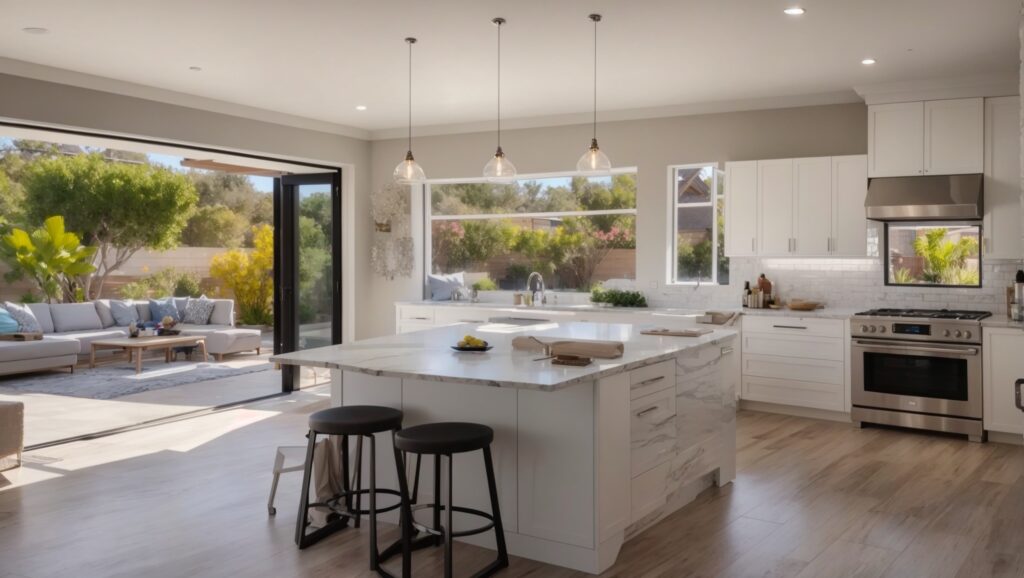
Choosing the right ADU builder in San Diego can make all the difference in creating a customized home extension that meets your specific needs and preferences. Custom ADU builders are uniquely qualified to take into account your property’s existing design, layout, and landscaping to create an extension that feels like a natural addition to your home.
Working with licensed ADU builders ensures that you receive professional expertise and guidance throughout the construction process. Whether you require a simple, one-room extension or a more complex and multi-functional living space, a licensed builder can provide the necessary insight and attention to detail to achieve your desired outcome.
The benefit of working with custom ADU builders is that they have the flexibility to adapt the design and construction to suit your individual needs. They can create a layout that flows seamlessly with your existing home while providing the added space and functionality you require. Custom ADU builders can also incorporate unique features, such as energy-efficient lighting or eco-friendly materials, to create a space that aligns with your personal values.
Choosing a custom ADU builder means working with a team of professionals who prioritize your satisfaction and strive to exceed your expectations. They understand the importance of creating a home extension that will enhance your quality of life, and they take pride in delivering a final product that meets your specific needs and lifestyle.
When searching for ADU builders in San Diego, look for those with a proven track record of excellence in custom home extensions. Working with licensed and experienced custom ADU builders ensures a smooth and stress-free construction process, resulting in a beautiful and functional extension that adds value to your home.
The construction of an accessory dwelling unit involves various stages, from planning and design to final inspection. Homeowners considering building ADUs in San Diego should work with licensed and reputable builders to ensure that the construction process adheres to local regulations and zoning laws.
ADU construction companies in San Diego will typically follow a similar process:
|
Step |
Description |
|
Consultation and Planning |
The ADU builder will meet with the homeowner to discuss the project requirements, design preferences, budget, and timeline. The builder will assess the property and provide suggestions for how to maximize the use of space within regulatory guidelines. |
|
Permitting |
The ADU builder will obtain the necessary permits from the local authorities. This step can be time-consuming, so it’s essential to work with a licensed builder with expertise in navigating local laws and regulations. |
|
Foundation and Framing |
The ADU builder will lay the foundation and construct the frame of the new unit. The builder will ensure that the construction adheres to building codes and zoning regulations. |
|
Installations |
The builder will install electrical, plumbing, and HVAC systems, as well as insulation and drywall. The builder may also work on flooring, cabinetry, and other finishing touches. |
|
Inspection and Handover |
The builder will conduct a final inspection to ensure that all work has been completed to code and meets the homeowner’s requirements. Once the builder has obtained the necessary certifications, the homeowner can move into the new ADU. |
Working with licensed ADU builders in San Diego can ensure that the construction process proceeds smoothly, and homeowners can avoid potential issues related to non-compliance with zoning laws or building codes.
Investing in an accessory dwelling unit is a significant decision that requires careful consideration of several factors. One of the most crucial aspects is choosing the right ADU builder for the job. When it comes to constructing additional living spaces, experience matters, and it’s essential to work with trusted ADU builders who have a proven track record in successfully completing similar projects.
Experienced ADU builders in San Diego possess the knowledge, skills, and expertise required to handle a wide range of construction challenges and overcome any obstacles that may arise during the building process. Their experience allows them to avoid common pitfalls that inexperienced builders may encounter, ensuring that the project is completed on time, within budget, and to the highest quality standards.
Trusted ADU builders in San Diego also have a solid reputation in the industry, having earned the respect and trust of their clients through their exceptional workmanship, professionalism, and commitment to delivering results that exceed expectations. By choosing experienced and trusted ADU builders, homeowners can rest assured that their investment is in good hands and that the end result will be a high-quality home extension that meets their specific needs and preferences.
Professional ADU builders in San Diego are known for their ability to create elegant and visually appealing home extensions. Investing in an ADU not only increases the overall living space of your property but also enhances its value and appeal. This is where trusted ADU builders come into play.
Working with professional ADU builders in San Diego ensures that your unique needs and preferences are considered in the planning and construction process. They have the necessary expertise to deliver high-quality results within the agreed timelines and budget.
“I was amazed at the level of professionalism exhibited by my ADU builder in San Diego. They took the time to understand my requirements and delivered an elegant home extension that exceeded my expectations.”
Trusted ADU builders in San Diego use only quality materials and ensure that all construction is done to meet local regulations and building codes. You can have peace of mind knowing that the final result will be a durable and well-designed home extension.
Whether you want a modern and sleek look or a more traditional design, professional ADU builders in San Diego have the expertise and creativity to bring your vision to life. By investing in their services, you will not only increase the value of your property, but also enjoy the benefits of a functional and elegant living space for years to come.
When selecting a company for your ADU project, it is important to verify that they are licensed and insured. Licensed ADU builders have met the necessary requirements and have the knowledge and expertise to handle all aspects of the construction process.
Working with licensed professionals also ensures that your project complies with local regulations and building codes. Professional ADU builders in San Diego are familiar with the specific requirements and permits needed for new construction or renovations.
It is important to note that hiring unlicensed builders may result in costly mistakes and even legal repercussions. Unlicensed builders may not have the necessary knowledge or experience to handle complicated projects and may not be insured, leaving homeowners vulnerable to accidents or damages on their property.
By working with licensed ADU builders in San Diego, homeowners can have peace of mind that their project is in good hands and that all necessary regulations and permits are met.
Investing in an ADU can be a great way to add value to your property and increase your living space. However, it is crucial to work with the top-rated ADU builders in San Diego who can provide high-quality home extensions that meet your specific needs and preferences.
When choosing an ADU builder, it is essential to consider factors such as affordability, expertise, and experience. Be sure to research your options carefully and choose a licensed and trusted professional who can guide you through the construction process and ensure compliance with local laws and regulations.
By working with custom ADU builders, you can tailor your home extension to your individual needs and create an elegant and aesthetically pleasing space. With a focus on quality and professionalism, ADU builders in San Diego can help you maximize the value of your property and enhance your overall living experience.
ADUs, or accessory dwelling units, are additional living spaces that can be added to existing properties. They are often used as separate apartments, guest houses, or home offices.
Investing in ADUs can provide numerous benefits, including increased property value, additional rental income, and flexible living arrangements for extended family or guests.
To find the best ADU builders in San Diego, consider their experience, reputation, and portfolio of past projects. It’s also helpful to read customer reviews and ask for recommendations from trusted sources.
Yes, there are affordable ADU builders in San Diego who prioritize maximizing value for their clients without compromising on quality and professionalism.
Yes, many ADU builders offer custom design services to tailor the ADU to your specific needs and preferences. Working with licensed professionals ensures that your custom design is implemented effectively.
The construction process for ADUs in San Diego typically involves obtaining necessary permits, site preparation, foundation construction, building erection, interior finishing, and final inspections. Licensed ADU builders will guide you through each step.
Experience matters when choosing ADU builders because it ensures that they have the necessary knowledge and skills to handle any challenges that may arise during the construction process. Trusted builders with experience can deliver high-quality results.
Yes, professional ADU builders in San Diego are skilled at creating elegant home extensions that blend seamlessly with the existing property, enhancing its overall appeal and value.
ADU builders in San Diego should adhere to local licensing and regulations to ensure compliance with building codes, zoning laws, and permit requirements. Hiring licensed ADU builders ensures that your project meets all necessary legal obligations.
Skip to content
Leave a Reply